News

Industry News

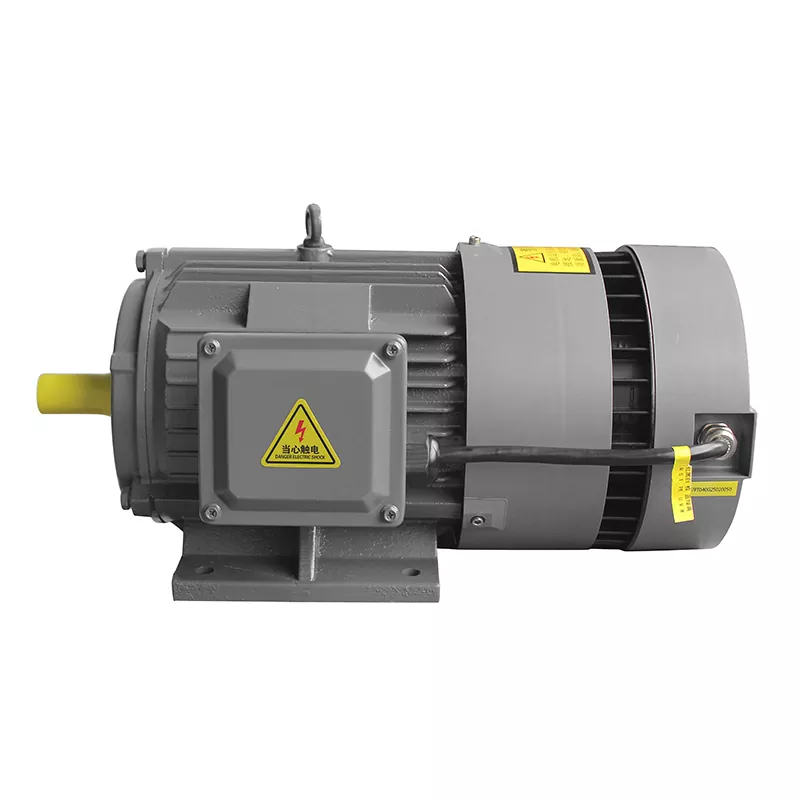
Why Is Oil Cooled Motor Technology a Smart Choice for Demanding Industrial Equipment?15 2026-04

Why Is Oil Cooled Motor Technology a Smart Choice for Demanding Industrial Equipment?

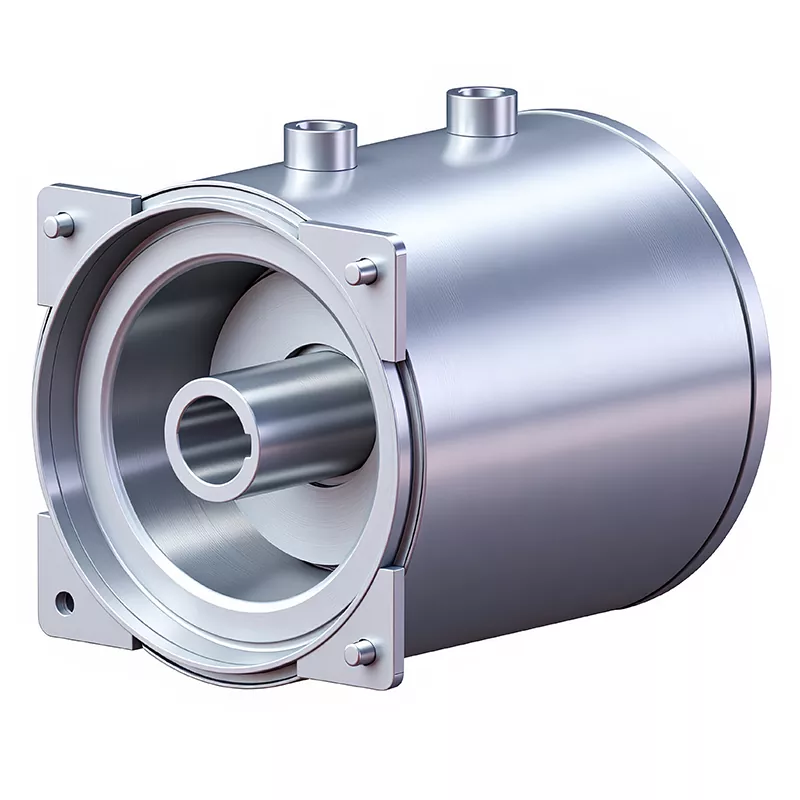
Choosing the right motor is rarely just about rated power. In real industrial use, buyers often struggle with overheating, unstable output, limited installation space, rising maintenance costs, and uncertainty about long-term reliability.
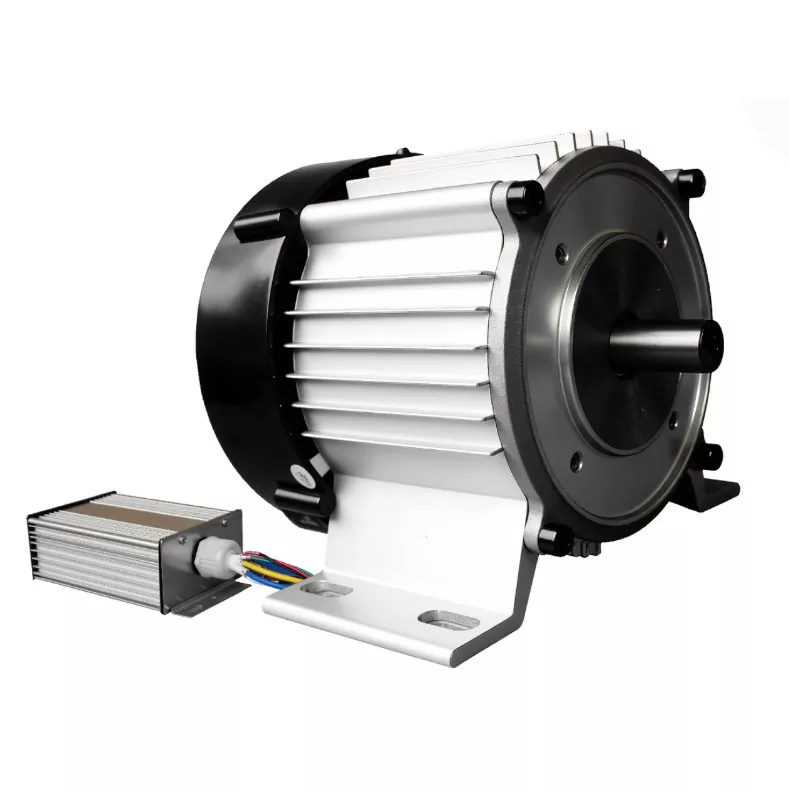
Integrated Variable Frequency PMSM: The Future of Electric Motors13 2026-03

Integrated Variable Frequency PMSM: The Future of Electric Motors

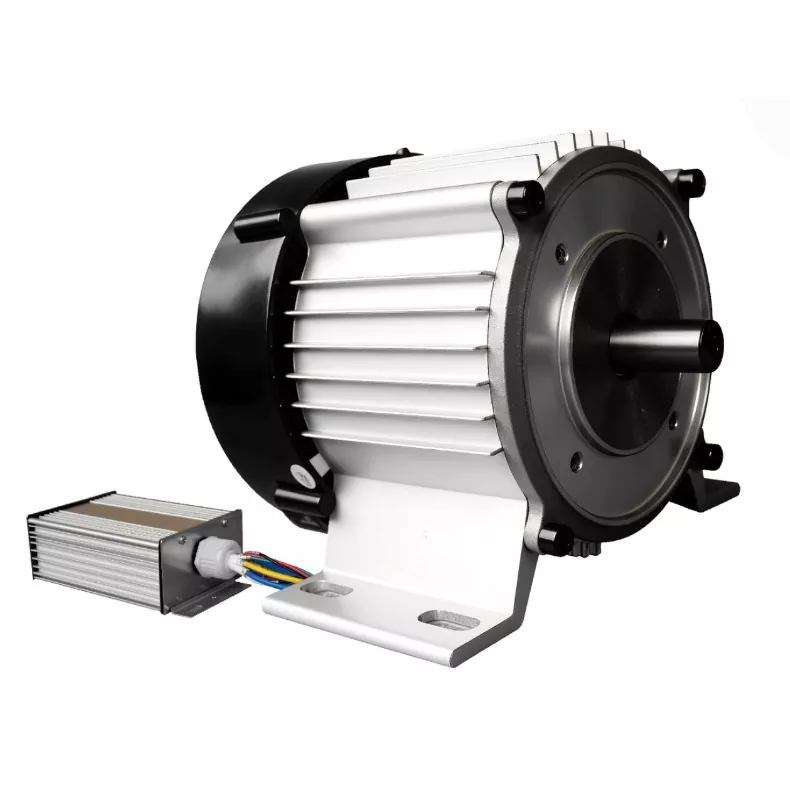
The Integrated Variable Frequency Permanent Magnet Synchronous Motor (PMSM) represents a significant advancement in motor technology. By integrating variable frequency drives with PMSM, these motors deliver high efficiency, precision control, and a wide range of applications. In this blog, we explore the mechanics, benefits, and applications of Integrated Variable Frequency PMSMs, along with a deeper understanding of why Jiafeng's technology stands out in the industry.
What Makes a Brushless DC Motor More Efficient Than Traditional Motors25 2025-12

What Makes a Brushless DC Motor More Efficient Than Traditional Motors

Brushless DC Motors (BLDC) have revolutionized modern industry with their superior efficiency, durability, and precision control. Unlike traditional brushed motors, BLDC motors eliminate mechanical wear, reduce energy loss, and provide higher performance for applications ranging from robotics to automotive systems. In this article, we explore why Jiafeng's Brushless DC Motors set new standards in energy efficiency, operational reliability, and long-term cost savings.
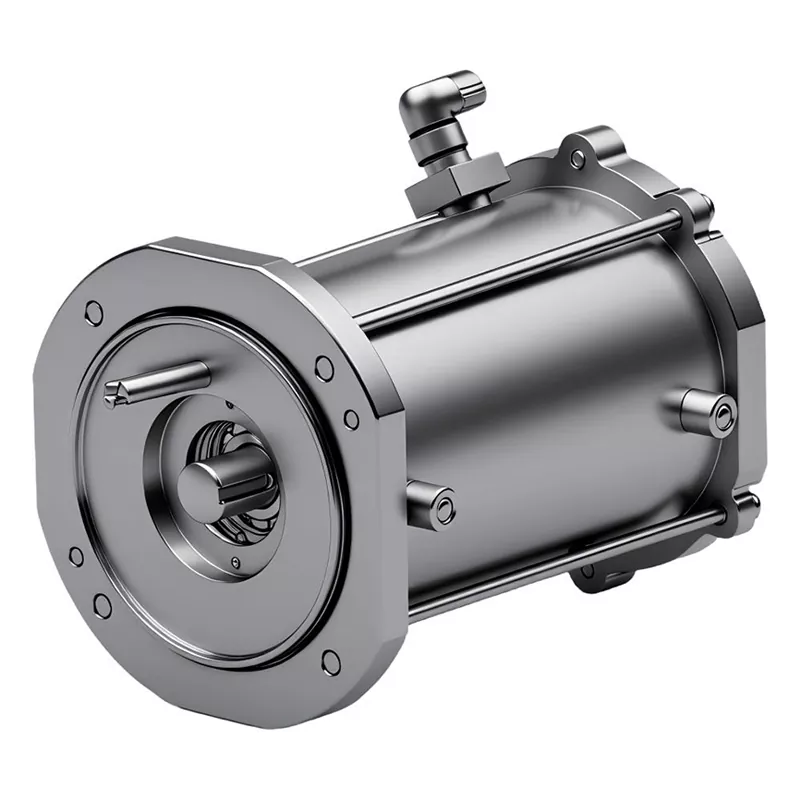
What Makes a Water Cooled Motor Exceptional?22 2025-12

What Makes a Water Cooled Motor Exceptional?

Water cooled motors are high‑performance electric motors that use circulating liquid to manage heat instead of only relying on airflow. This in‑depth article introduces the core concepts, explains how water cooling improves efficiency and longevity, compares it with other cooling methods, explores real‑world industrial and marine applications, discusses challenges, and answers frequently asked questions. Cited information includes industrial sources and technical analyses to support accurate technical and performance insights.
The structure and working principle of electromagnetic speed regulating motor18 2025-10

The structure and working principle of electromagnetic speed regulating motor

An electromagnetic speed-regulated asynchronous motor consists of three parts: a conventional squirrel-cage asynchronous motor, an electromagnetic slip clutch, and an electrical control device.
What should be paid attention to when using permanent magnet DC reduction motor18 2025-10

What should be paid attention to when using permanent magnet DC reduction motor

Solder the motor wires before installation. Use a suitable soldering iron and solder, and be skilled, quick, and accurate. A 40W soldering iron with a tip temperature of approximately 320°C ± 20°C and a soldering time of 2-3 seconds is generally recommended. Prolonged soldering can cause internal desoldering within the motor, leading to poor electrical conductivity.
X
We use cookies to offer you a better browsing experience, analyze site traffic and personalize content. By using this site, you agree to our use of cookies. Privacy Policy
Reject Accept