News

What Makes a Special Motor Reliable for Demanding Industrial Equipment?

2026-05-21 0 Leave me a message

Article Summary: A Special Motor is not simply a standard motor with a different shell. For equipment manufacturers, agricultural machinery builders, mobility system integrators, and industrial buyers, the right motor must solve real operating problems: unstable loads, heat buildup, space limitations, harsh environments, frequent start-stop cycles, and long-term maintenance pressure. This article explains how buyers can evaluate a Special Motor from the perspectives of application fit, structure, cooling method, customization, efficiency, durability, and supplier capability. It also introduces how Zhejiang Jiafeng Power Technology Co.,Ltd. supports customers with practical motor solutions for specialized industrial uses.

Article Outline

  • Common purchasing challenges when choosing a Special Motor
  • The difference between standard motors and application-specific motor solutions
  • Typical usage scenarios such as mobile equipment, agricultural machinery, cooling-intensive systems, and compact drive structures
  • Key evaluation factors including torque, cooling, mounting, protection, efficiency, and customization
  • How a capable manufacturer helps buyers lower failure risk and improve equipment reliability
  • Practical FAQ section for procurement teams and engineers

Why Do Buyers Struggle to Choose the Right Special Motor?

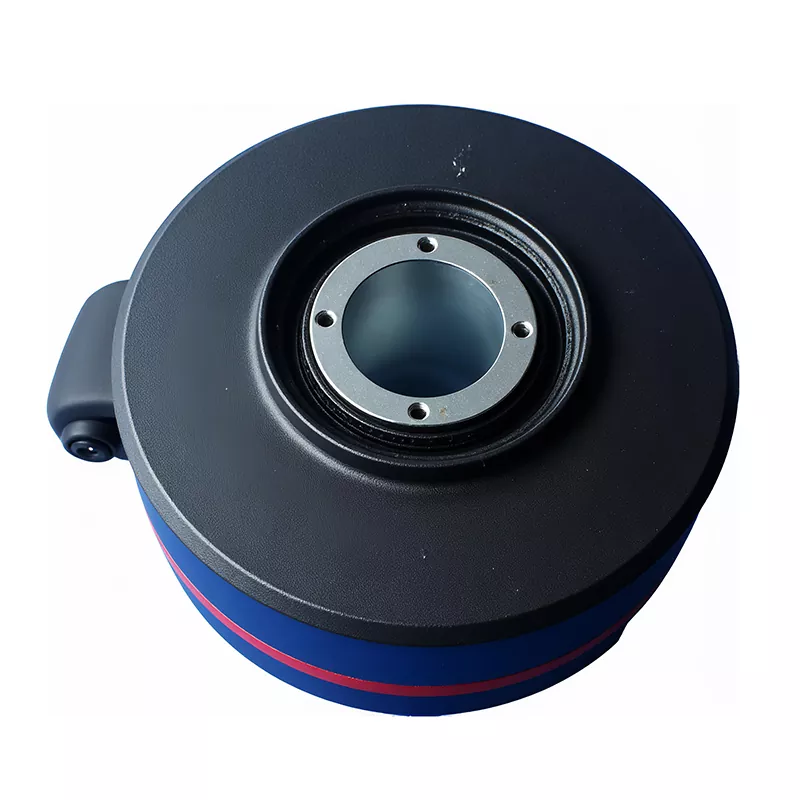
Special Motor

Many equipment buyers do not begin their search by asking for a Special Motor. They usually begin with a problem. A tractor steering system may feel unstable under heavy working conditions. A mobile machine may need strong drive performance but have very limited installation space. A motor may run too hot after long operating cycles. A piece of industrial equipment may perform well during testing but fail too often in real field conditions.

That is where the buying decision becomes difficult. A standard motor may look acceptable on paper, especially if the basic power rating seems close enough. But power rating alone rarely tells the full story. The real question is whether the motor can work reliably inside a specific machine, under a specific load, in a specific environment, for a long service life.

For procurement teams, the risk is not only technical. A poor motor choice can lead to repeated warranty claims, delayed equipment delivery, higher maintenance cost, and customer complaints. For engineers, the pressure is just as direct: they need a motor that fits the mechanical structure, matches the control system, handles heat properly, and supports stable operation without constant redesign.

This is why a Special Motor should be evaluated as part of the complete equipment solution, not as an isolated component. The better the motor matches the machine, the less friction appears later in assembly, testing, field operation, and after-sales service.

What Should a Special Motor Actually Deliver?

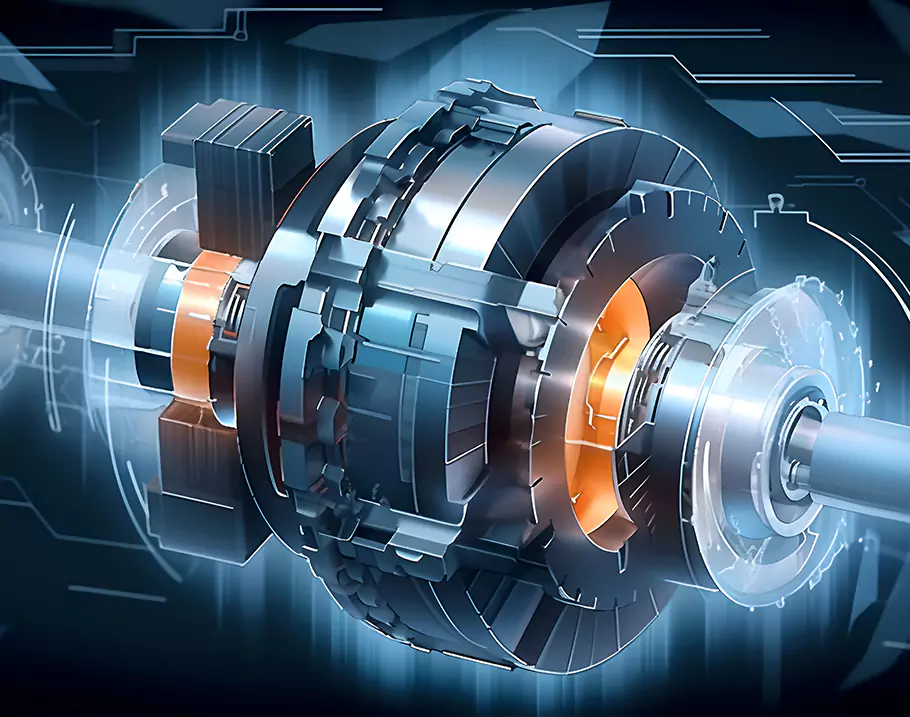
A Special Motor should deliver targeted performance for operating conditions that ordinary motors may not handle well. This may include special cooling requirements, unusual mounting structures, compact installation dimensions, strong torque output, customized shafts, enhanced protection, or compatibility with dedicated drive and control systems.

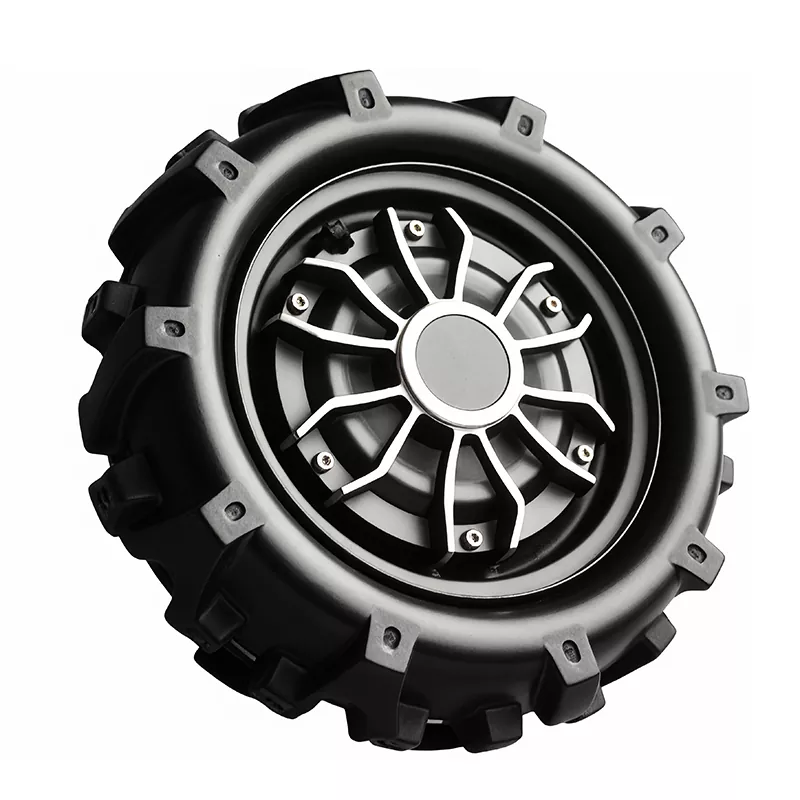
In practical purchasing, the word “special” should not be treated as vague decoration. It should mean that the motor design is shaped around the application. For example, a motor used in outdoor agricultural machinery may need resistance to vibration, dust, moisture, and changing load conditions. A motor used in a wheel hub drive system may need compact structure, efficient power transmission, and dependable operation in rough terrain. A motor used in high-temperature or continuous-duty equipment may need water cooling or oil cooling to control thermal stress.

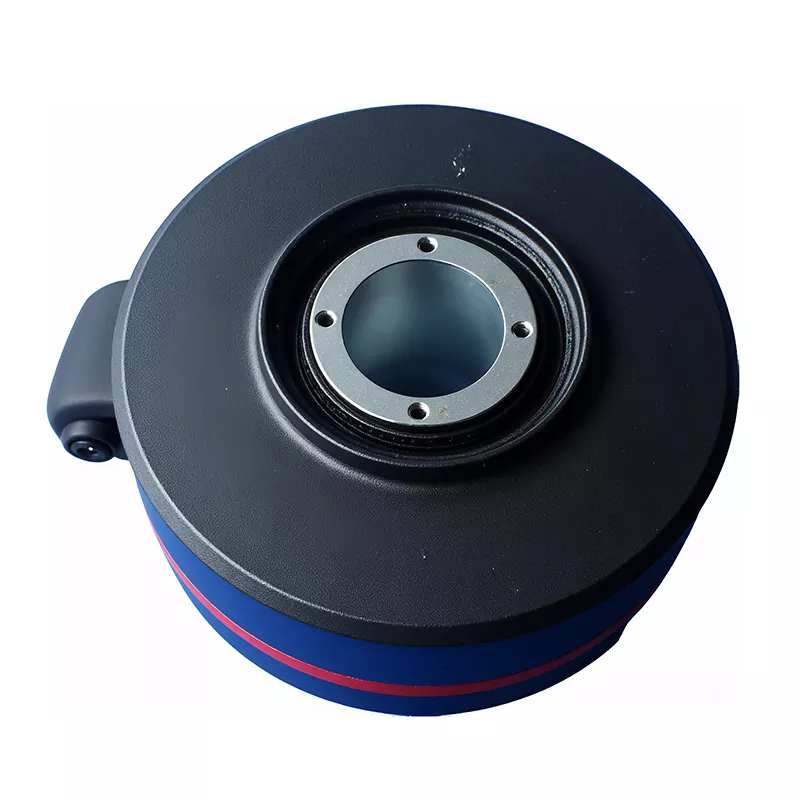
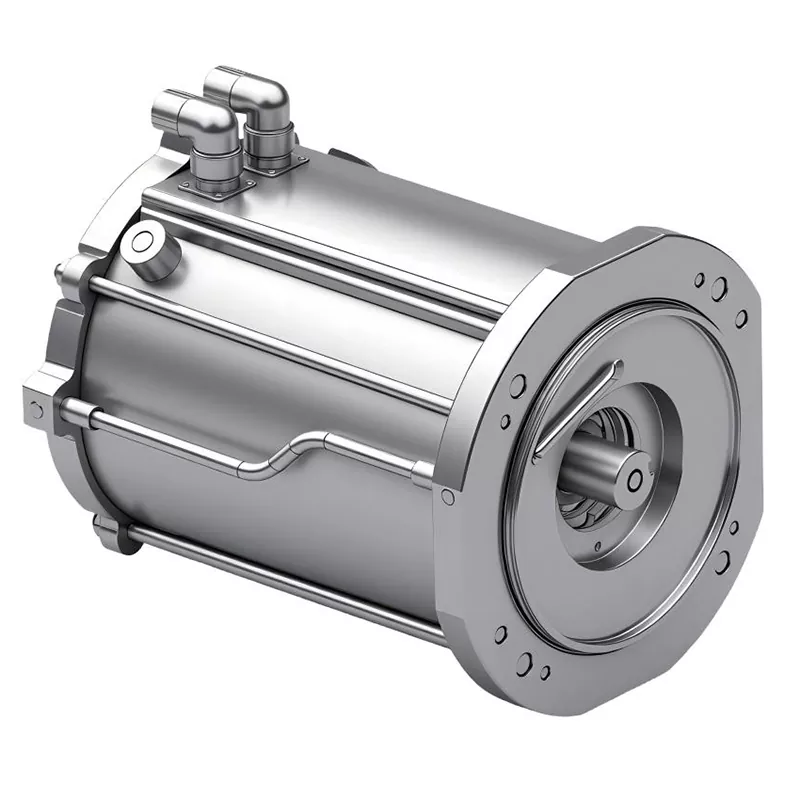
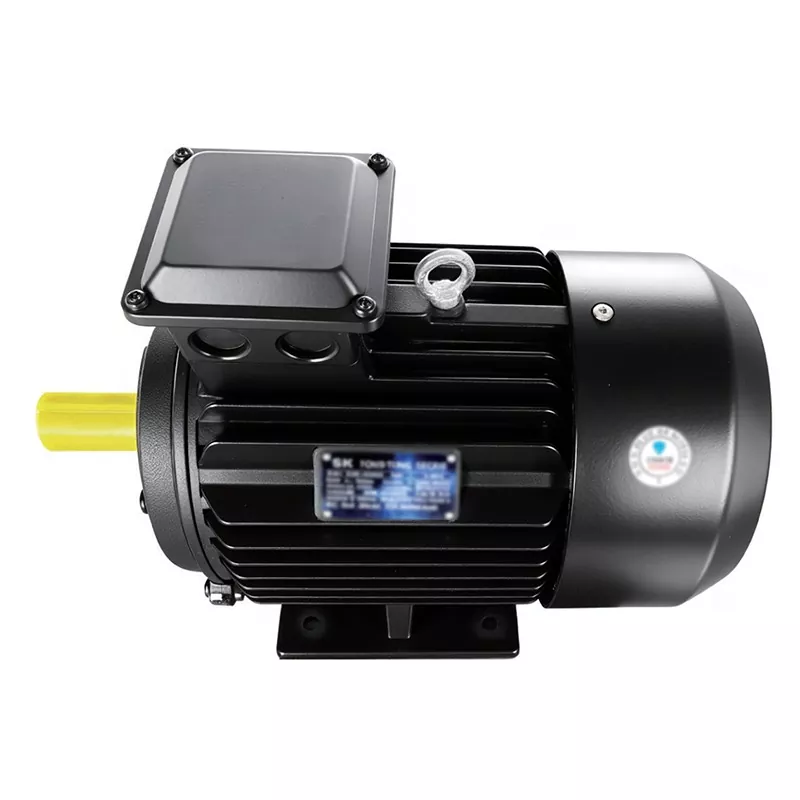
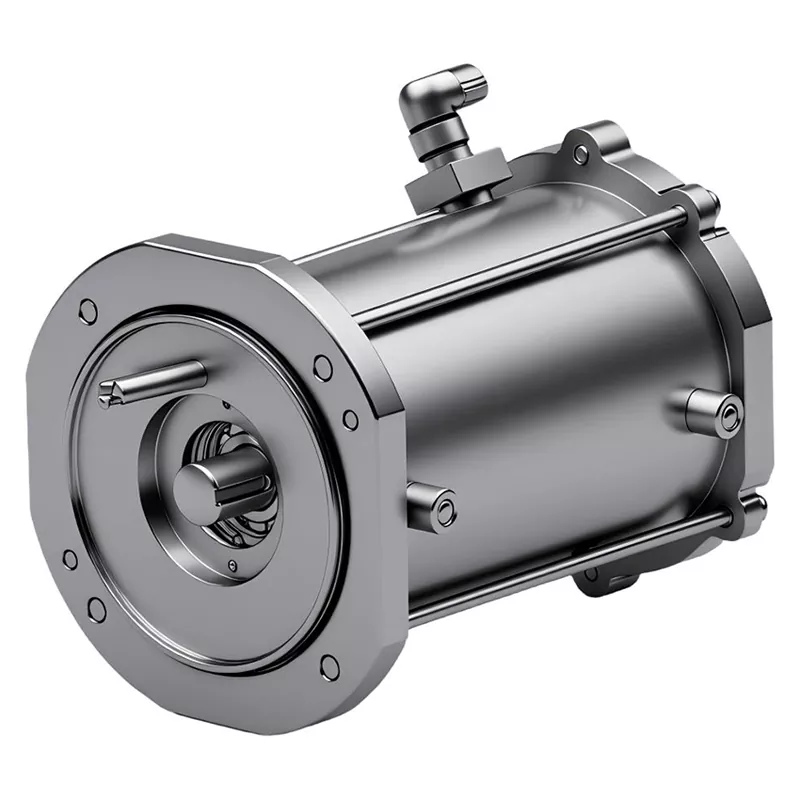
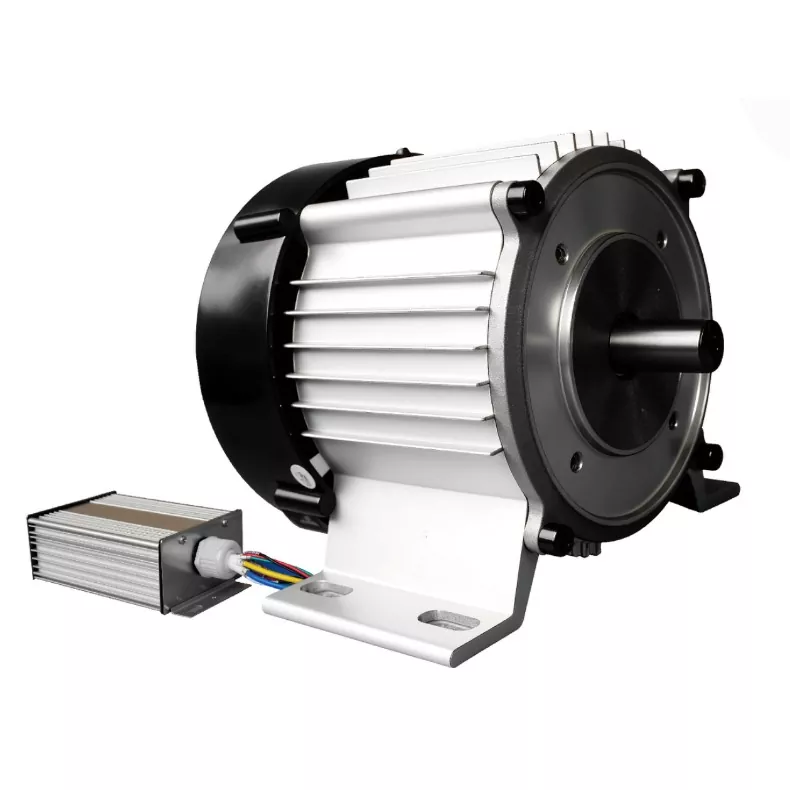
Zhejiang Jiafeng Power Technology Co.,Ltd. develops motor products for specialized equipment needs, including solutions such as water cooled motors, oil cooled motors, cantilever motors, steering wheel control motors, and wheel hub motors. For buyers, this product range is useful because different equipment problems require different engineering answers. A single general-purpose motor platform cannot solve every field condition.

The best Special Motor is not necessarily the most complicated one. It is the one that gives the equipment builder the right balance of performance, reliability, installation convenience, cost control, and long-term service stability.

Which Applications Need a Special Motor Instead of a Standard Motor?

A standard motor is often suitable for predictable industrial environments where installation space, load, speed, cooling, and duty cycle are relatively conventional. However, many modern machines are no longer that simple. As equipment becomes more compact, intelligent, mobile, and application-specific, the motor must adapt to the machine rather than forcing the machine to adapt to the motor.

A Special Motor is often a better choice in the following situations:

  • Mobile machinery requires compact drive integration. Wheel hub motors and customized drive motors can help reduce mechanical transmission complexity and support more flexible equipment layouts.
  • Agricultural equipment faces harsh working conditions. Motors used in tractors and field machinery need to handle vibration, dust, variable load, and long working hours.
  • Heat buildup affects motor life. Water cooled or oil cooled motor structures can help maintain more stable operating temperatures in demanding environments.
  • The installation position is unusual. Cantilever structures or special mounting designs may be required when standard motor dimensions do not fit the machine frame.
  • Control precision matters. Steering control systems and automated equipment often require stable response, smooth operation, and consistent output.
  • The equipment brand needs differentiated performance. Customized motor design can help manufacturers improve the competitiveness of their finished machines.

In these scenarios, choosing a generic motor only because it is easy to purchase may create hidden costs later. A properly selected Special Motor can improve equipment reliability from the inside of the design, rather than forcing the buyer to solve problems after the machine has already entered production.

How Should Buyers Compare Special Motor Options?

When comparing Special Motor options, buyers should look beyond the catalog name. The same motor category can perform very differently depending on material choice, electromagnetic design, cooling structure, sealing quality, bearing configuration, manufacturing control, and customization support.

The table below gives a practical comparison framework for procurement and engineering teams.

Evaluation Area What to Check Why It Matters
Application Fit Load type, duty cycle, working environment, installation space, and control requirements A motor that does not match the real application may overheat, vibrate, wear quickly, or deliver unstable output.
Cooling Method Air cooling, water cooling, oil cooling, or customized thermal management Good thermal control helps protect insulation, bearings, magnets, and other internal components.
Mechanical Structure Mounting method, shaft design, housing strength, sealing, and bearing layout The motor must physically fit the machine and withstand actual vibration, shock, and load conditions.
Efficiency Energy consumption, heat loss, operating stability, and performance under different loads Higher efficiency can reduce energy cost and improve continuous operation performance.
Customization Ability Engineering communication, prototype support, drawing review, and adjustment capability Special equipment often needs special details, not only standard specifications.
Supplier Reliability Manufacturing experience, quality control, delivery capability, and after-sales response A strong supplier reduces procurement uncertainty and supports long-term equipment production.

This comparison process is especially important when the motor will be used in equipment sold under the buyer’s own brand. A Special Motor is often hidden inside the machine, but its performance is directly felt by the end user. Smooth steering, stable driving, low noise, reduced overheating, and fewer breakdowns all affect how customers judge the finished equipment.

What Performance Details Matter Most in Long-Term Operation?

Long-term motor reliability is rarely decided by one specification. It usually comes from the combination of electrical design, mechanical strength, heat control, and production consistency. For a Special Motor, buyers should pay close attention to the following details before confirming an order.

  1. Torque stability: Machines that operate under changing loads need a motor that can provide stable output without sudden performance drops.
  2. Thermal performance: Excessive heat can shorten insulation life, damage bearings, and reduce system reliability. Cooling design should match the duty cycle.
  3. Environmental protection: Outdoor equipment may face dust, water, mud, vibration, and temperature changes. The motor structure should be selected accordingly.
  4. Control compatibility: If the motor works with an electronic controller, the communication between motor behavior and control logic must be considered early.
  5. Installation accuracy: Shaft dimensions, mounting holes, cable outlet direction, and housing design should support efficient assembly.
  6. Maintenance convenience: A motor that is difficult to inspect, replace, or integrate may increase service cost even if the initial price is attractive.

Buyers should also consider the difference between laboratory performance and field performance. A motor may pass a short test, but the real challenge appears after months of operation in dust, heat, vibration, and continuous load. This is why experienced manufacturers often ask detailed questions before recommending a Special Motor. They need to understand how the equipment actually works, not only what number appears on the specification sheet.

For example, a wheel hub motor for outdoor mobile equipment may require a rugged structure and efficient power delivery. A steering wheel control motor for agricultural machinery may need smooth response and durability under repeated operation. A water cooled motor may be preferred when heat control is central to system stability. An oil cooled motor may be selected where thermal transfer and compact power density are important. Each choice reflects a different operating logic.

How Can the Right Manufacturer Reduce Procurement Risk?

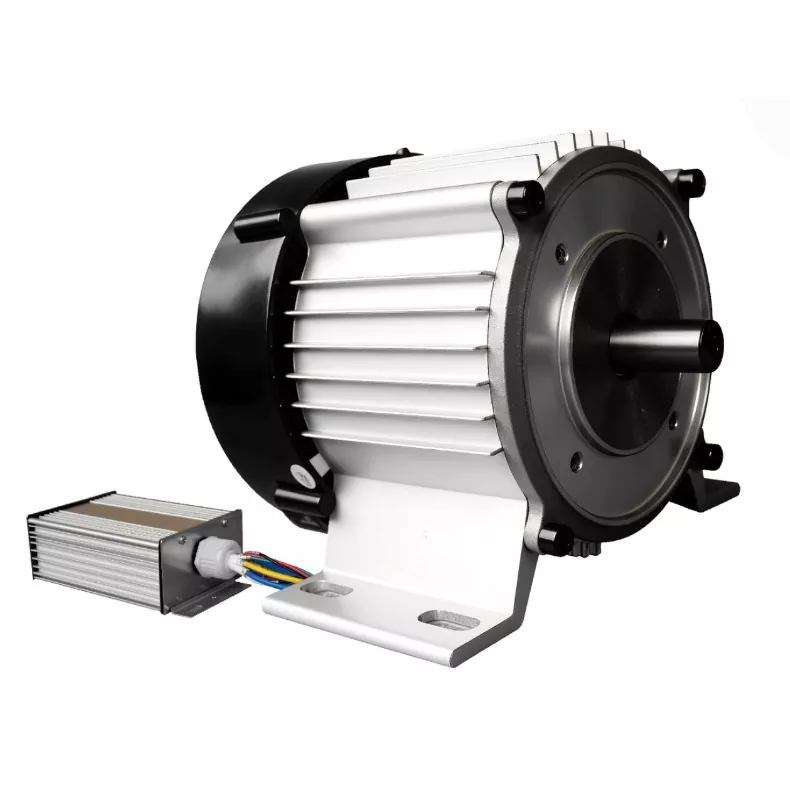
Special Motor

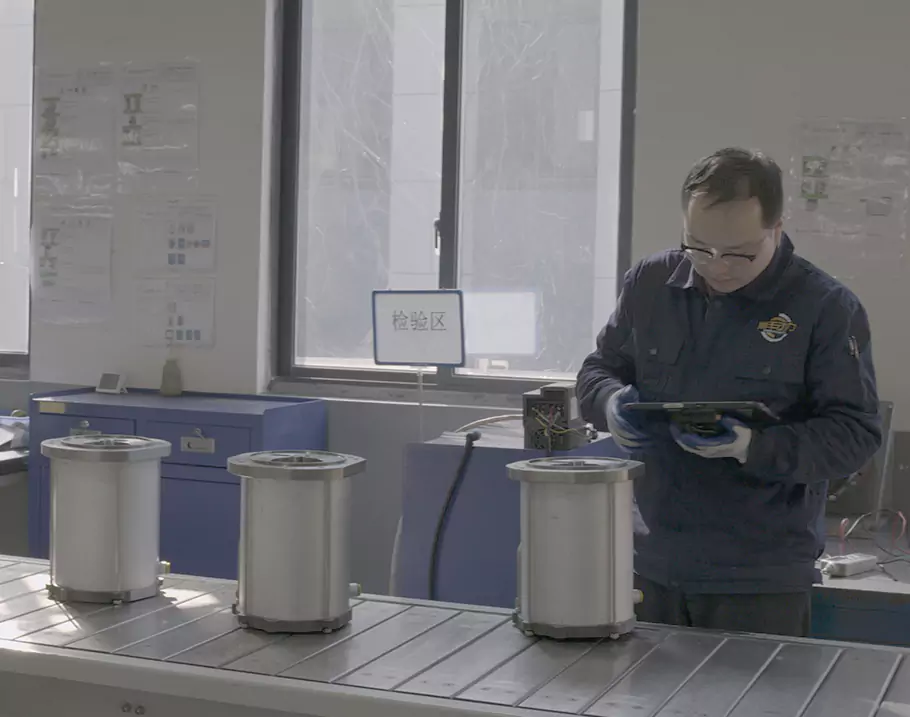
For industrial buyers, choosing a Special Motor manufacturer is not only about finding a product. It is about finding a partner that can understand the machine, respond to engineering details, and support repeatable production. The earlier the supplier is involved in the design conversation, the easier it becomes to avoid mismatched specifications and unnecessary redesign.

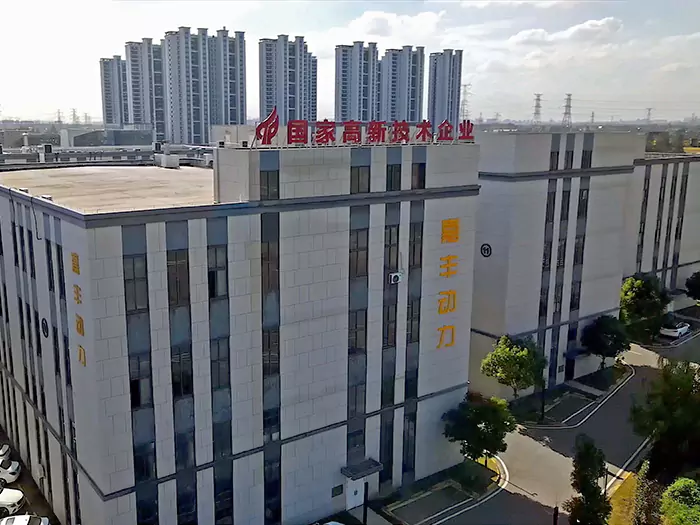
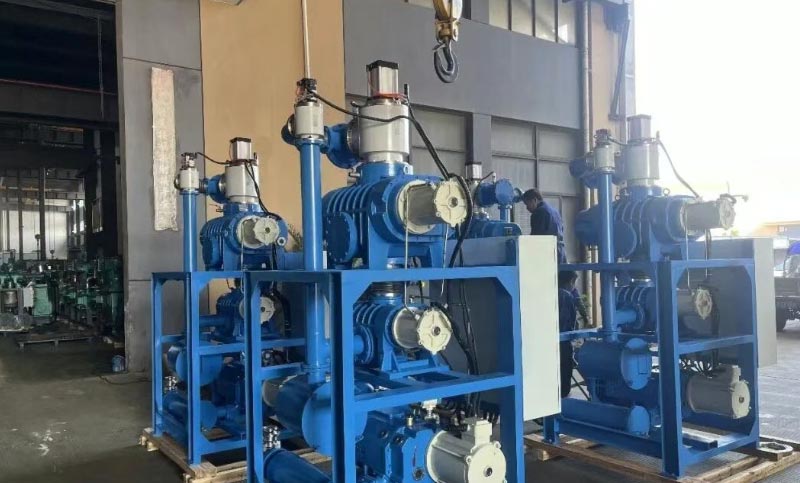
Zhejiang Jiafeng Power Technology Co.,Ltd. serves customers looking for motor solutions used in specialized industrial and equipment applications. For buyers who need customized structures, reliable performance, and practical communication, working with a manufacturer familiar with different motor forms can make the purchasing process more efficient.

A reliable supplier should help buyers answer several practical questions:

  • Does this motor match the real operating environment of the equipment?
  • Is the cooling method suitable for the duty cycle and heat load?
  • Can the motor structure be adjusted for installation space or mechanical design?
  • Will the motor support stable performance during long-term use?
  • Can the supplier provide consistent quality across repeated orders?
  • Is technical communication clear enough for engineering and procurement teams?

The value of a strong Special Motor supplier becomes most visible when problems are prevented before production. A slight change in shaft design, housing structure, cooling method, or control matching may save considerable time later. That is why buyers should not wait until failures happen to involve the motor manufacturer. The better approach is to discuss the full application at the selection stage.

For equipment brands competing in agricultural machinery, industrial automation, mobile drive systems, and other demanding sectors, motor reliability becomes part of brand reliability. When the motor works smoothly, the whole machine feels better engineered. When the motor fails, even a well-designed machine can lose market trust. This makes the Special Motor one of the most important hidden components in many modern equipment systems.

FAQ About Special Motor Selection

Q1: What is a Special Motor?

A Special Motor is a motor designed or adapted for specific equipment requirements, such as unique installation space, harsh environments, special cooling needs, compact drive structures, or customized control demands.

Q2: Why should I choose a Special Motor instead of a standard motor?

You should consider a Special Motor when a standard motor cannot fully meet your equipment’s operating conditions. If your machine faces heavy load, heat buildup, limited space, vibration, dust, moisture, or special control requirements, a tailored motor may offer better long-term reliability.

Q3: What information should I prepare before asking for a motor recommendation?

It is helpful to prepare your required power, speed, torque, voltage, working environment, duty cycle, installation dimensions, cooling preference, control method, and expected application. Photos, drawings, or existing motor samples can also improve communication.

Q4: Are water cooled and oil cooled motors only used for high-power equipment?

Not always. Water cooled and oil cooled structures are mainly selected when heat control is important. The decision depends on operating time, load condition, space limitation, and the thermal demands of the equipment.

Q5: Can a Special Motor be customized for my equipment design?

Yes. Customization may include mounting structure, shaft design, cooling method, housing dimensions, cable outlet, protection level, and performance parameters. The exact customization scope depends on the manufacturer’s engineering and production capability.

Q6: How do I know whether a supplier is suitable for long-term cooperation?

Look for clear technical communication, relevant product experience, stable manufacturing control, practical customization support, and reliable delivery. A good supplier should help you solve application problems, not simply sell a motor from a list.

What Should Buyers Remember Before Making a Final Decision?

A Special Motor should be selected with the whole machine in mind. Buyers should not focus only on price, power rating, or delivery time. The better question is whether the motor can help the finished equipment run more smoothly, last longer, reduce maintenance pressure, and create a better experience for end users.

For demanding applications, the motor is not just a component hidden inside the machine. It is a performance foundation. It affects control, drive efficiency, heat management, structural design, operating comfort, and long-term reliability. When the motor is chosen carefully, the entire equipment system becomes more stable and more competitive.

If your project requires a customized Special Motor for agricultural machinery, mobile equipment, cooling-intensive systems, wheel hub drive structures, steering control applications, or other demanding industrial uses, Zhejiang Jiafeng Power Technology Co.,Ltd. can support your team with practical product options and application-focused communication.

Looking for a dependable Special Motor solution for your equipment project? Share your application details, technical requirements, or drawings with Zhejiang Jiafeng Power Technology Co.,Ltd. today. For tailored recommendations, quotation support, and project discussion, please contact us and let our team help you move from motor selection to reliable equipment performance.

Related News
Leave me a message
X
We use cookies to offer you a better browsing experience, analyze site traffic and personalize content. By using this site, you agree to our use of cookies. Privacy Policy
Reject Accept