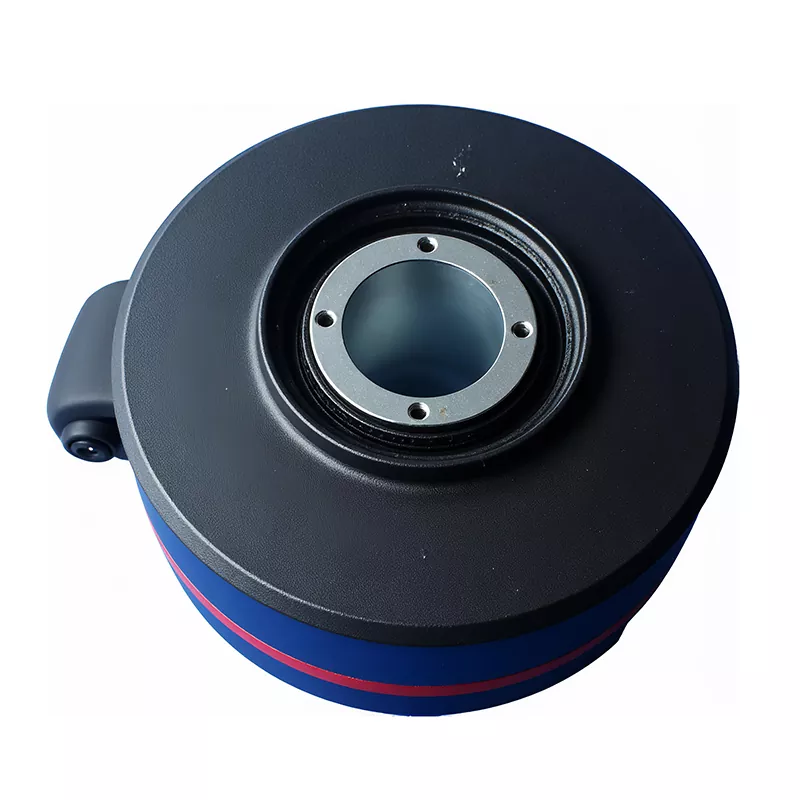
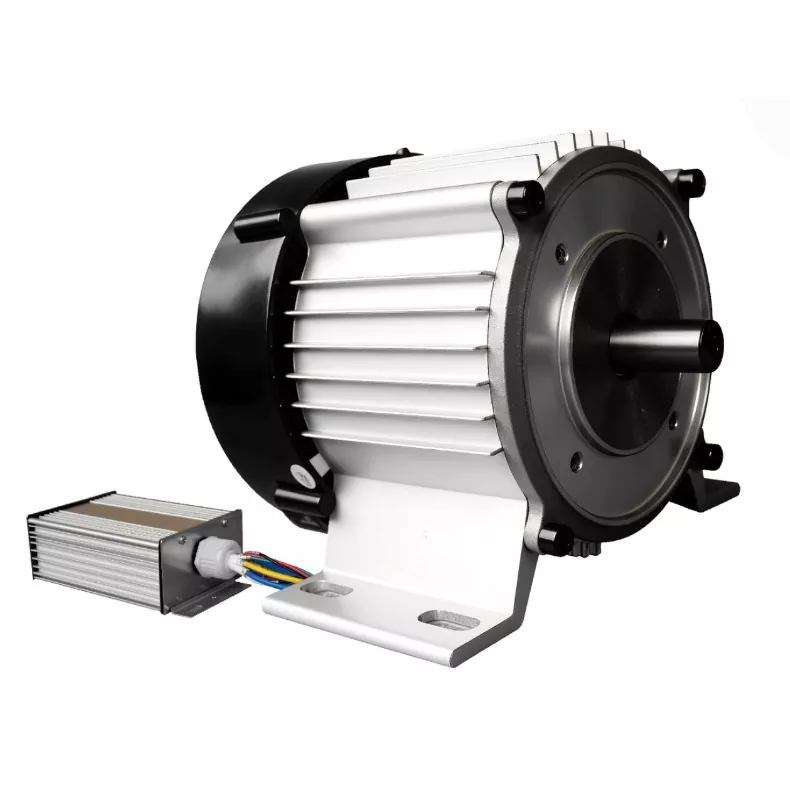
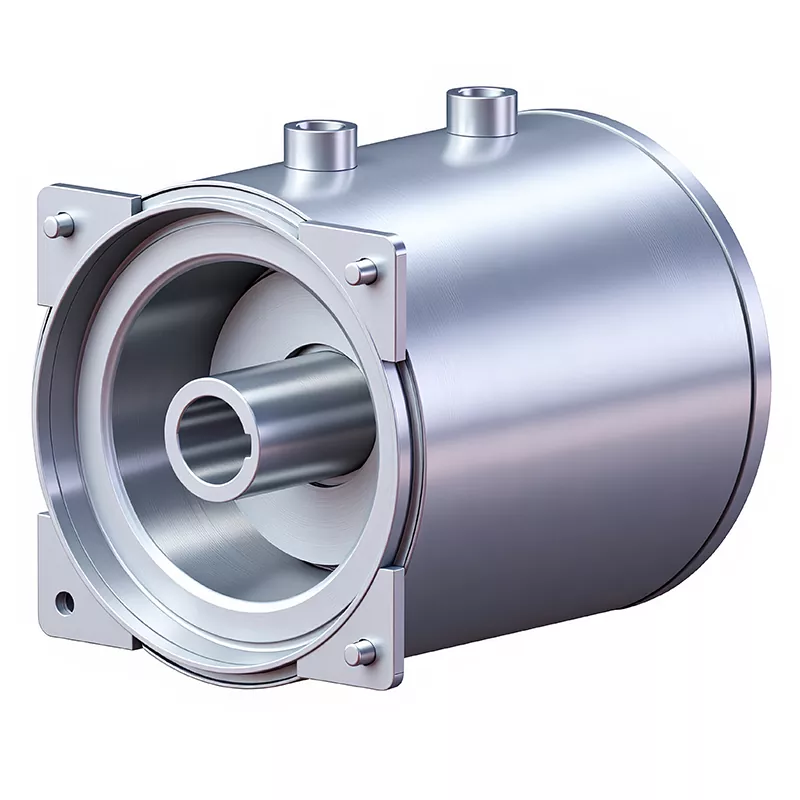
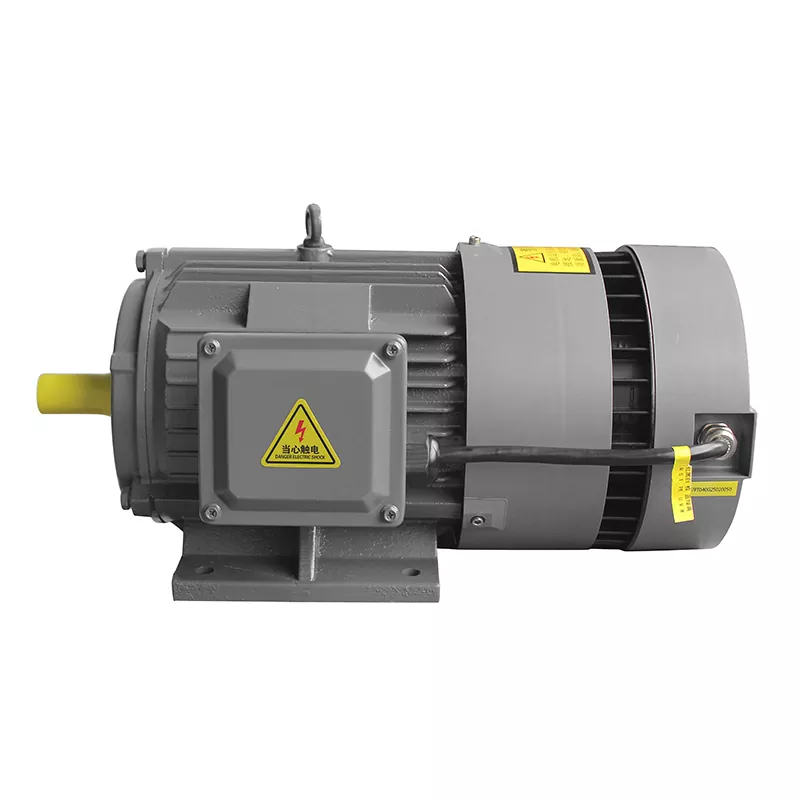
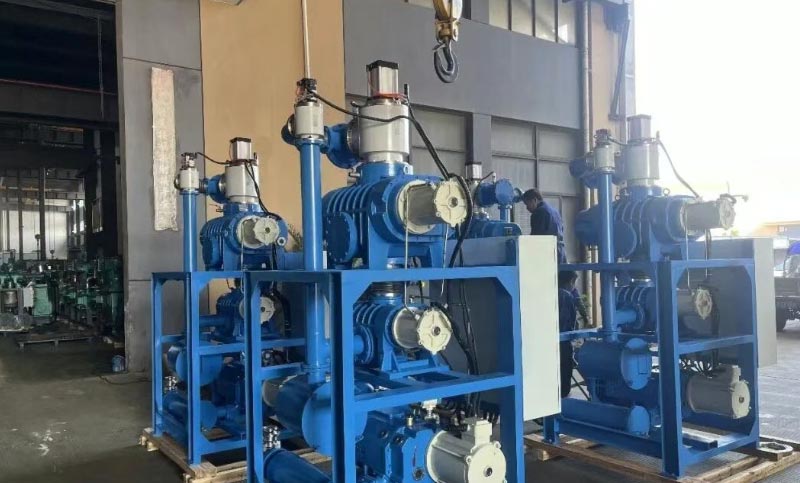
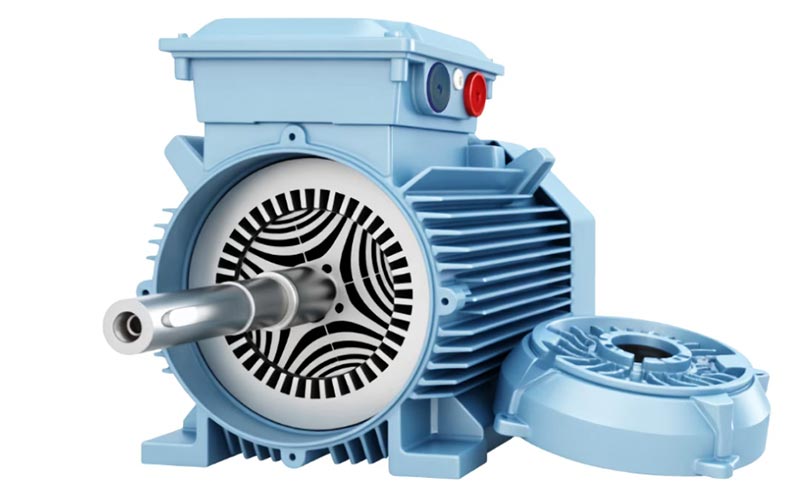
Water cooled motors are high‑performance electric motors that use circulating liquid to manage heat instead of only relying on airflow. This in‑depth article introduces the core concepts, explains how water cooling improves efficiency and longevity, compares it with other cooling methods, explores real‑world industrial and marine applications, discusses challenges, and answers frequently asked questions. Cited information includes industrial sources and technical analyses to support accurate technical and performance insights.
An electromagnetic speed-regulated asynchronous motor consists of three parts: a conventional squirrel-cage asynchronous motor, an electromagnetic slip clutch, and an electrical control device.
Solder the motor wires before installation. Use a suitable soldering iron and solder, and be skilled, quick, and accurate. A 40W soldering iron with a tip temperature of approximately 320°C ± 20°C and a soldering time of 2-3 seconds is generally recommended. Prolonged soldering can cause internal desoldering within the motor, leading to poor electrical conductivity.
Driven by the dual forces of the modern industrial system and the new energy revolution, motors, as the core devices for energy conversion, are undergoing a technological iteration from traditional electromagnetic to permanent magnet types.
We use cookies to offer you a better browsing experience, analyze site traffic and personalize content. By using this site, you agree to our use of cookies.
Privacy Policy