News

What Makes a Water Cooled Motor Exceptional?

2025-12-22 0 Leave me a message
What Makes a Water Cooled Motor Exceptional? – Comprehensive Guide

Water cooled motors are high‑performance electric motors that use circulating liquid to manage heat instead of only relying on airflow. This in‑depth article introduces the core concepts, explains how water cooling improves efficiency and longevity, compares it with other cooling methods, explores real‑world industrial and marine applications, discusses challenges, and answers frequently asked questions. Cited information includes industrial sources and technical analyses to support accurate technical and performance insights.

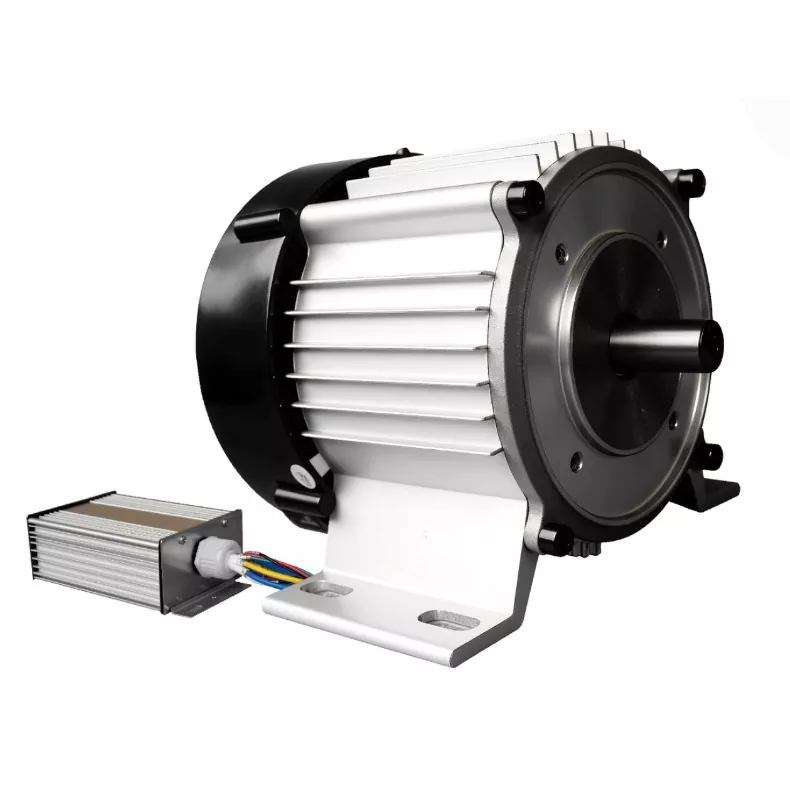
Water cooled motors


Table of Contents


How Does a Water Cooled Motor Work?

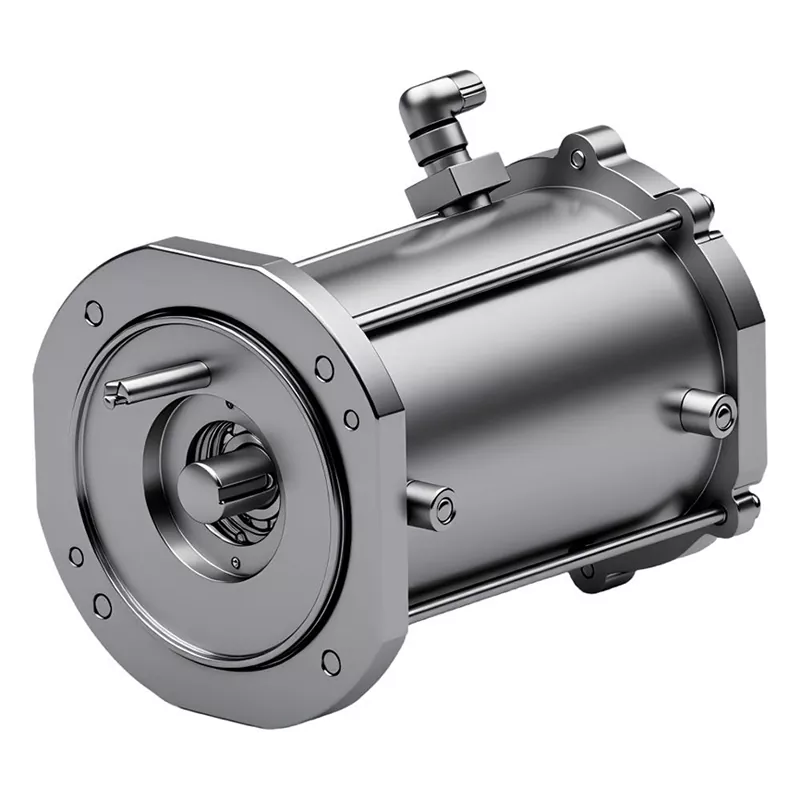
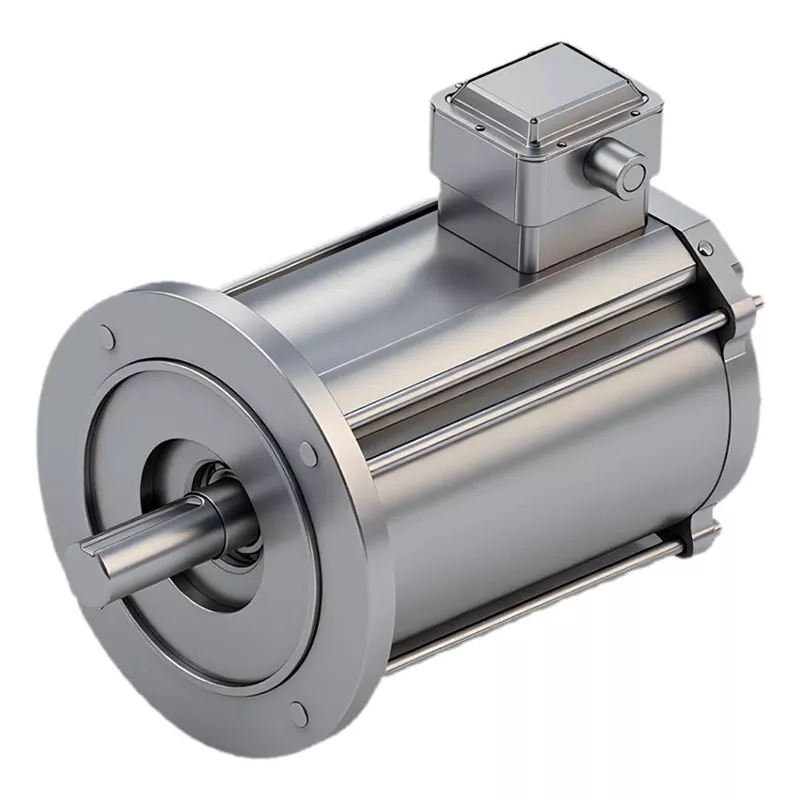
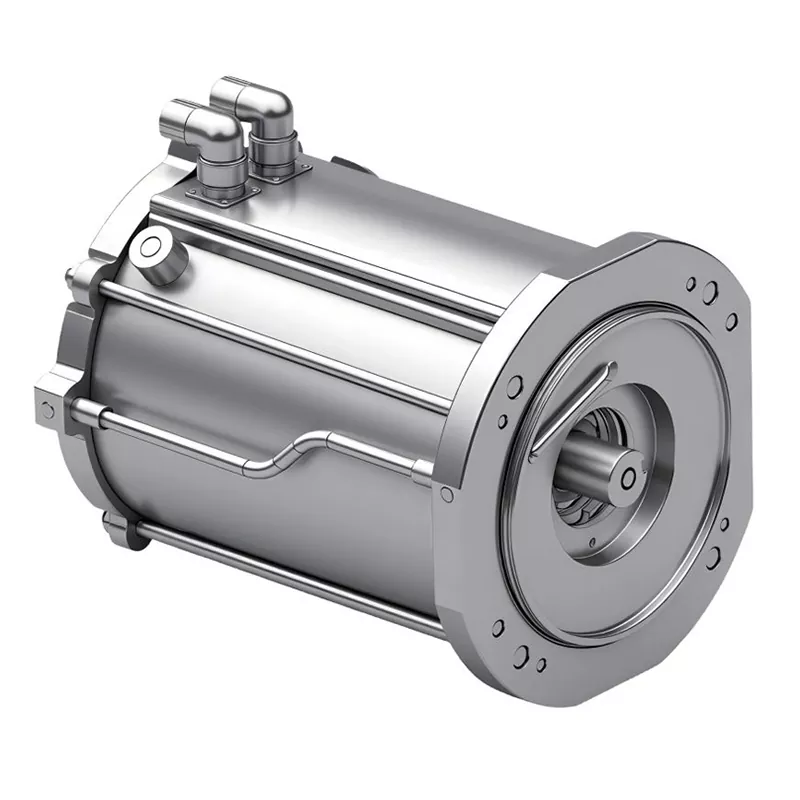
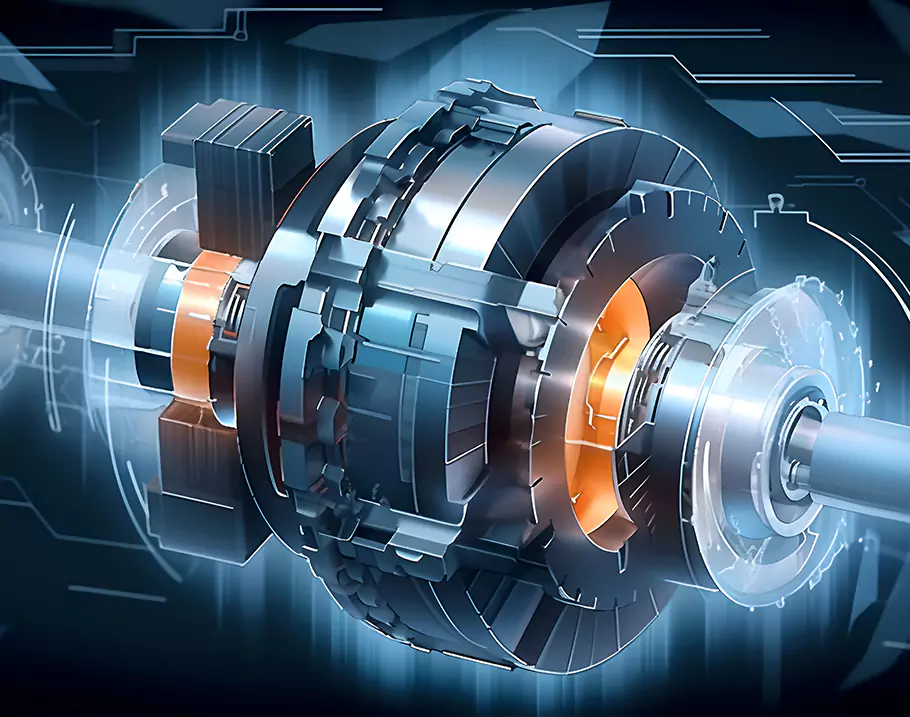
At its core, a water cooled motor surrounds key heat‑producing components (such as the stator and rotor) with a cooling jacket or integrated fluid channels. A closed‑loop system pumps water (often mixed with coolant additives) through these channels. As the coolant circulates, it absorbs heat from the motor body and transfers it to a heat exchanger or radiator, where it releases this heat before returning to repeat the process. This cycle maintains stable and lower operating temperatures during continuous operation.

  • Water Jacket/Cooling Channels: Integrated within motor housing to maximize thermal contact.
  • Pump Circulation: Ensures fluid flow through the system to manage heat.
  • Heat Exchange: Coolant releases heat externally before repeating the cycle.

Why Use a Water Cooled Motor Instead of Air Cooling?

Water cooled motors offer superior cooling performance compared to traditional air‑cooled systems because water has higher heat capacity and thermal conductivity. As a result, water cooled designs maintain lower and more consistent temperatures, which improves both efficiency and the life cycle of the motor. 

  • Thermal Control: Better heat removal prevents overheating and thermal degradation.
  • Environmental Independence: Unlike air cooling, water cooling isn’t strongly affected by dust or ambient air quality. 
  • Space Efficiency: Compact design allows grouping of motors without airflow concerns.

Which Industries Use Water Cooled Motors?

Water cooled motors support applications where durability, efficiency, and controlled temperatures are critical:

Industry Application Examples Why They Are Used
Industrial Manufacturing Pumps, compressors, extruders Continuous, high‑load operation with temperature constraints. 
Marine Thrusters, propulsion drives Efficient cooling in wet environments and confined engine spaces. 
Water Treatment Utility pumps Reliable performance under heavy duty and often rugged conditions. 
Automotive/Electrified Transport EV & hybrid motors High‐efficiency cooling improves power density and range. 

What Are the Key Benefits of Water Cooled Motors?

Water cooled designs provide several measurable advantages over alternatives:

  • Superior Heat Dissipation: Because water efficiently absorbs heat, these motors operate at lower internal temperatures.
  • Higher Efficiency: Stable temperatures lower electrical losses, improving performance. 
  • Compact Footprint: Without large cooling fans, motor size can be reduced. 
  • Lower Noise Levels: Less reliance on fans means quieter operation. 
  • Extended Motor Life: Controlled temperature reduces wear on components, extending lifespan. 
  • Space & Arrangement Flexibility: Motors can be placed close together without overheating risk. 

What Are the Technical Challenges of Water Cooled Motors?

Despite advantages, water cooled systems introduce considerations that must be planned:

  • System Complexity: Additional components (pumps, hoses) increase design and maintenance complexity. 
  • Maintenance Requirements: Coolant quality and flow must be monitored to avoid corrosion and leaks. 
  • Initial Setup Cost: Infrastructure for circulating and treating coolant adds cost. 
  • Water Quality Dependence: Impure water can cause corrosion or blockages. 

Frequently Asked Questions (FAQ)

Q: What is a water cooled motor?
A: A water cooled motor uses a circulating liquid (usually water or water/coolant mixture) to absorb and remove heat from the motor’s internal components, maintaining lower operating temperatures than air cooling alone can achieve.

Q: How does water cooling improve motor efficiency?
A: By maintaining stable, lower temperatures, water cooling reduces electrical resistance within windings and minimizes energy losses, meaning more input power is converted to useful mechanical output, thereby improving efficiency. 

Q: Why choose water cooled motors in industrial settings?
A: Industrial environments often require continuous operation under heavy loads; water cooling provides consistent thermal management, extending equipment life and reducing thermal‑related downtime. 

Q: Are water cooled motors better than air cooled ones?
A: Water cooled motors typically offer better cooling performance, higher power density, and quieter operation, though they are more complex and require proper maintenance. The choice depends on application needs and environment. 

Q: What challenges exist with water cooled motors?
A: The main challenges include system complexity, higher maintenance demands, and dependence on water quality and coolant management systems to avoid corrosion or leaks.


Zhejiang Jiafeng Power Technology Co.,Ltd. integrates advanced water cooled motor designs into industrial solutions that prioritize reliability, compactness, and efficiency across heavy‑duty applications.

If you’re interested in optimizing your system with high‑performance water cooled motors or need expert technical guidance, contact us today to speak with our specialists about tailored solutions that fit your industry needs.

Related News
Leave me a message
X
We use cookies to offer you a better browsing experience, analyze site traffic and personalize content. By using this site, you agree to our use of cookies. Privacy Policy
Reject Accept