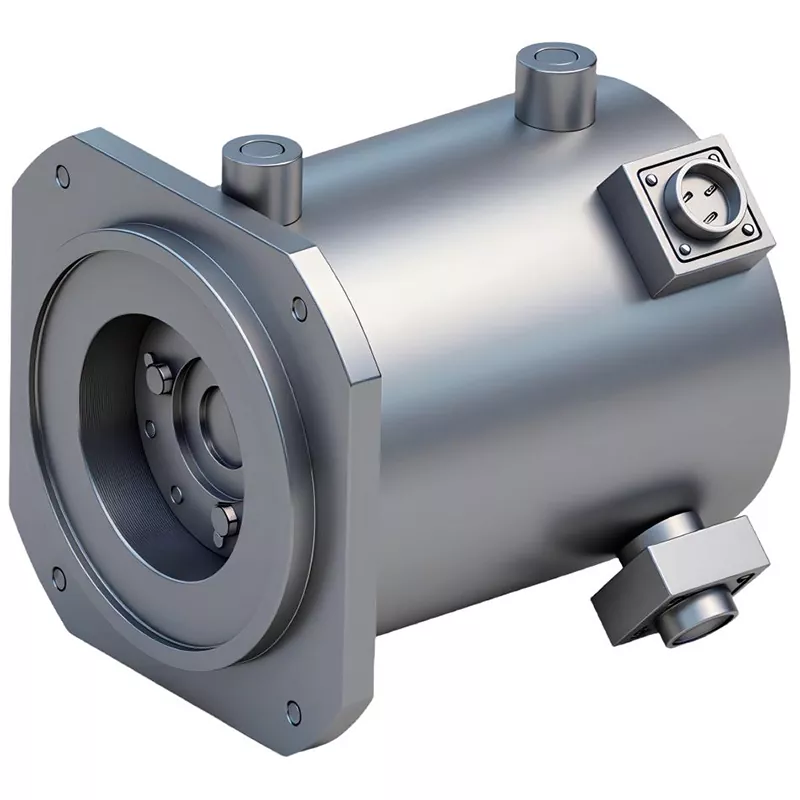
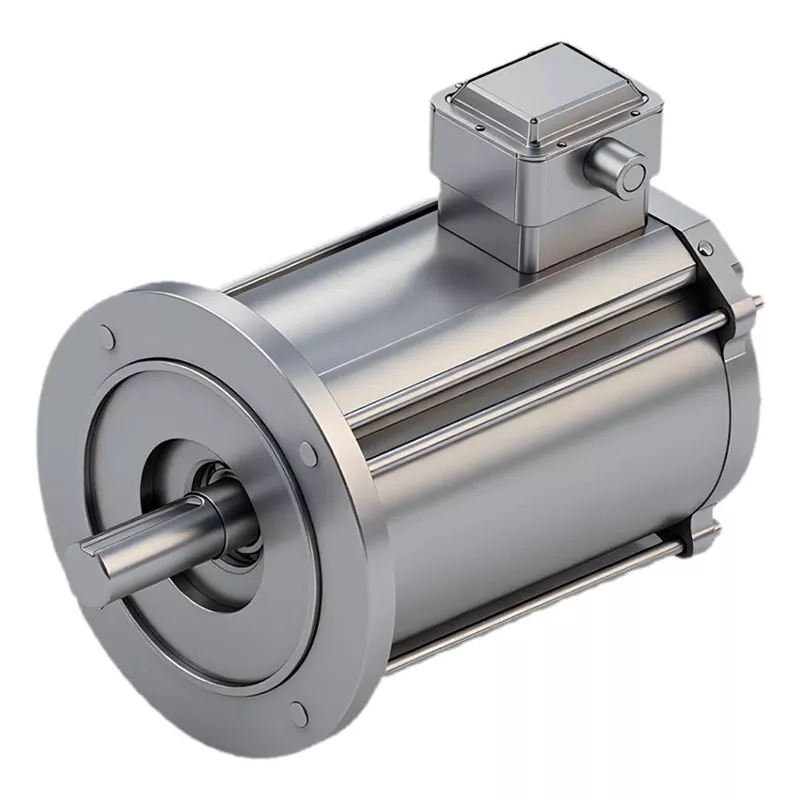
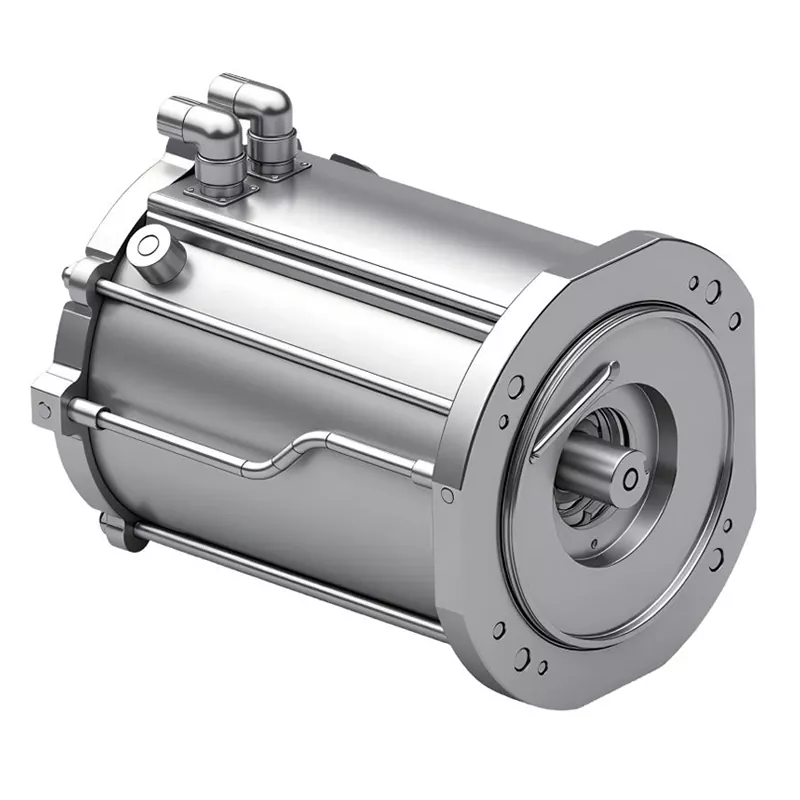
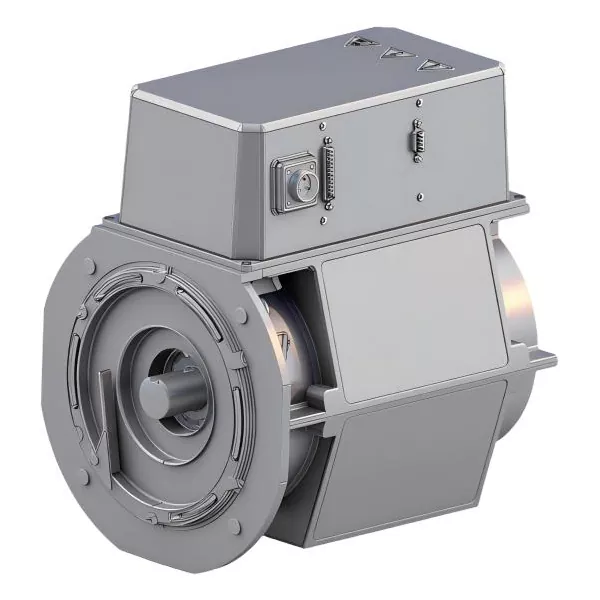
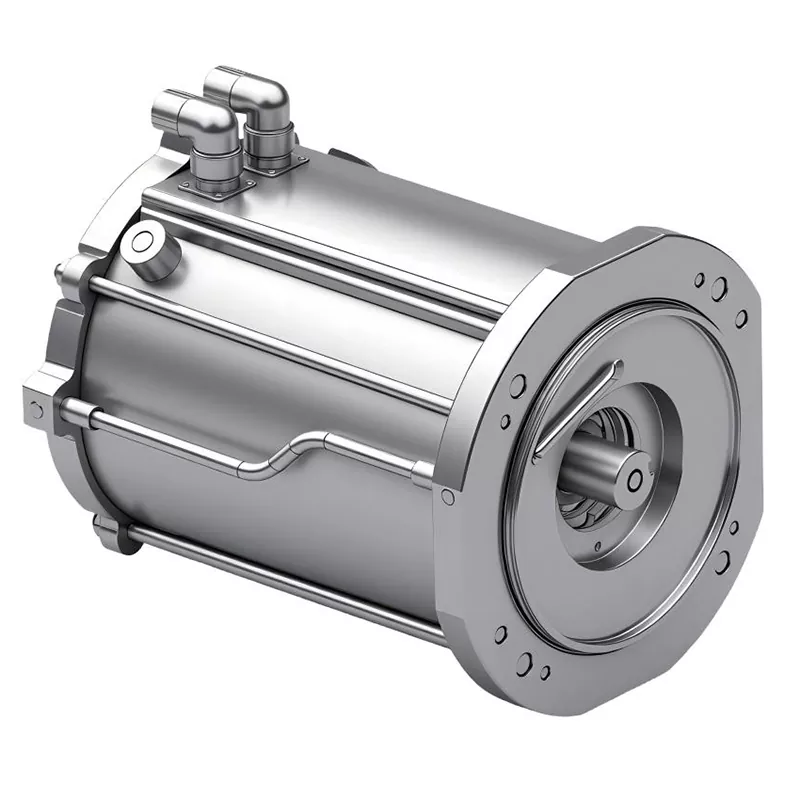
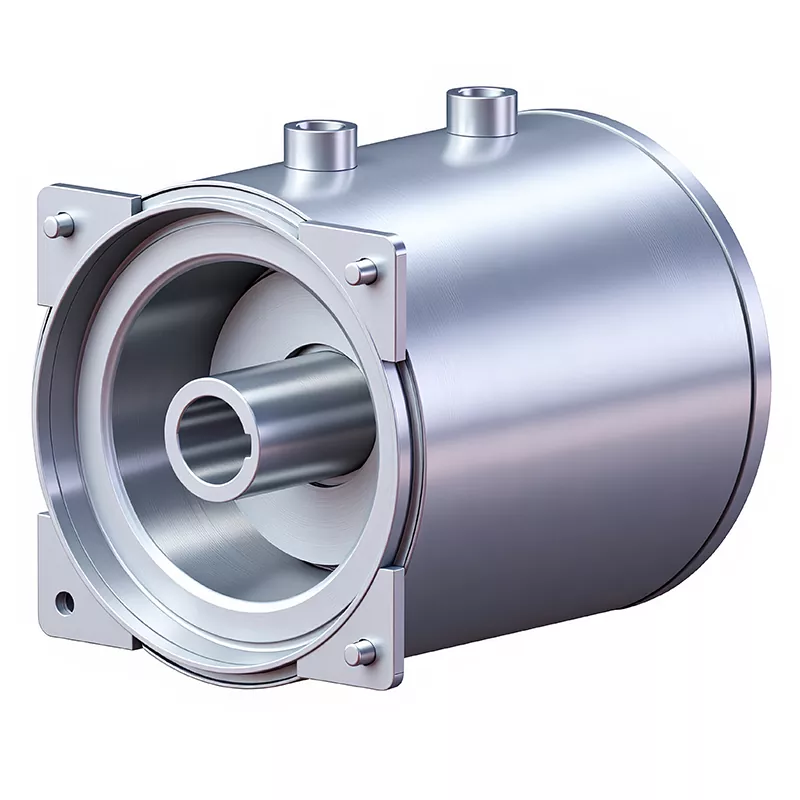
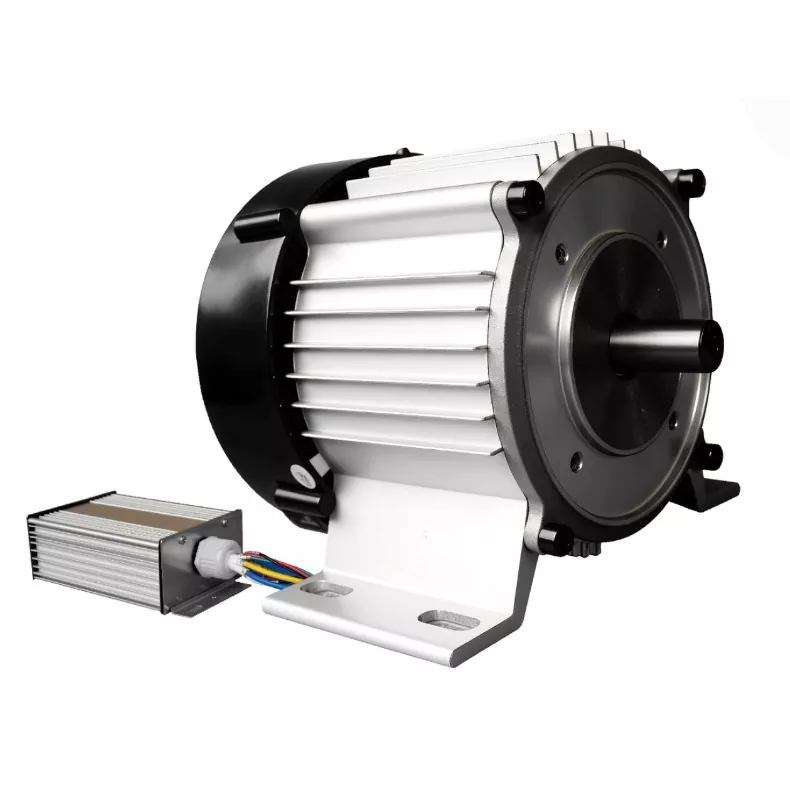
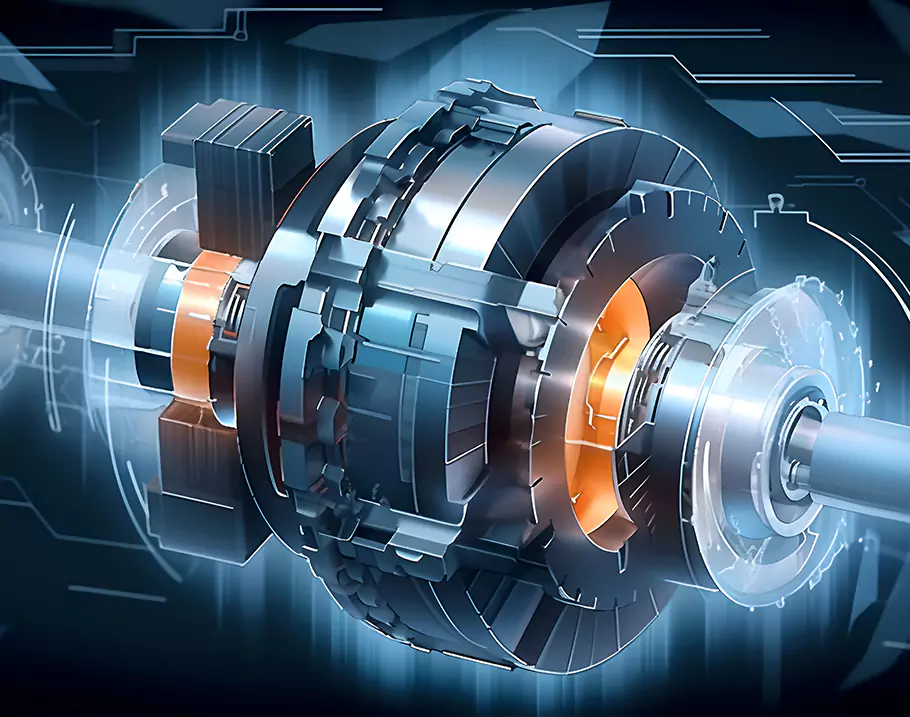
An electromagnetic speed-regulated asynchronous motor consists of three parts: a conventional squirrel-cage asynchronous motor, an electromagnetic slip clutch, and an electrical control device. The asynchronous motor serves as the prime mover, driving the clutch armature as it rotates. The electrical control device provides the excitation current for the slip clutch's excitation coil. This article focuses on the electromagnetic slip clutch, which consists of the armature, magnetic poles, and excitation coil. The armature is a cylindrical structure made of cast steel and connected to the rotating shaft of the squirrel-cage asynchronous motor, commonly known as the driving part. The magnetic poles are claw-shaped and mounted on the load shaft, commonly known as the driven part. The driving and driven parts are mechanically independent. When current flows through the excitation coil, a magnetic field is generated, and the claw-shaped structure forms many pairs of magnetic poles. When the armature is then pulled by the squirrel-cage asynchronous motor to rotate, it cuts through the magnetic field, generating torque. The magnetic poles of the driven part rotate with the armature of the driving part, but at a lower speed than the driven part because the armature can only cut through the magnetic lines of force when there is relative motion between the armature and the magnetic field. The magnetic poles rotate with the armature. The principle is essentially the same as that of a conventional asynchronous motor, where the rotor follows the rotating magnetic field of the stator winding. The difference is that the rotating magnetic field of the asynchronous motor is generated by the three-phase AC current in the stator winding, while the magnetic field of the electromagnetic slip clutch is generated by the DC current in the excitation coil, and the rotating magnetic field only acts as a rotating magnetic field due to the rotation of the armature.
We use cookies to offer you a better browsing experience, analyze site traffic and personalize content. By using this site, you agree to our use of cookies.
Privacy Policy