News

The core driving force leading the era of high efficiency and energy conservation

2025-10-18 0 Leave me a message

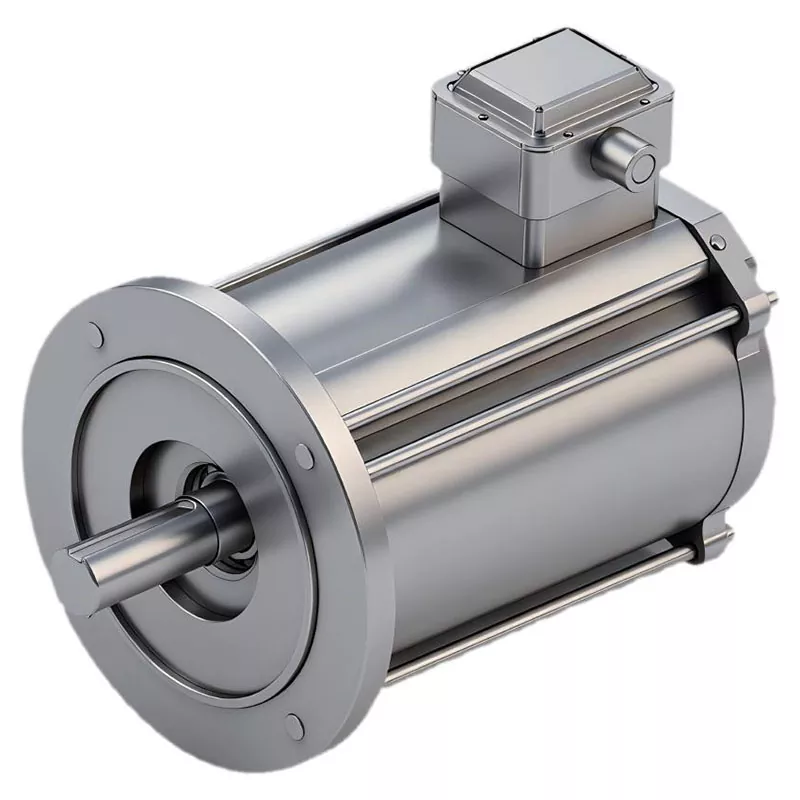
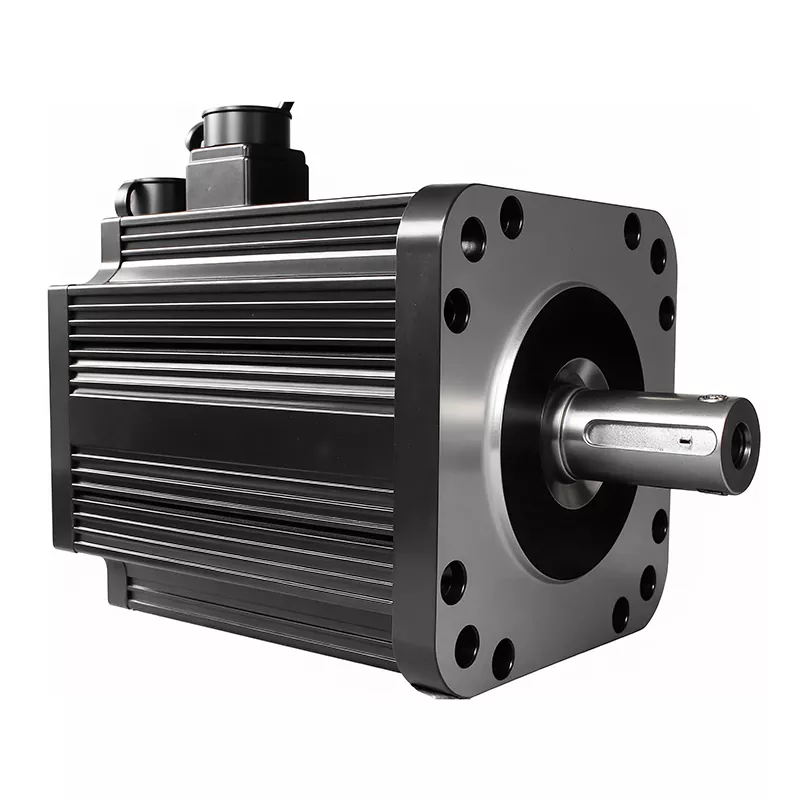
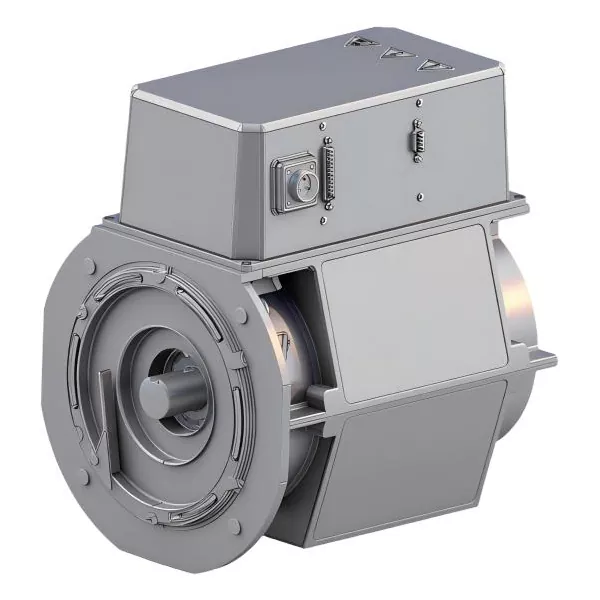
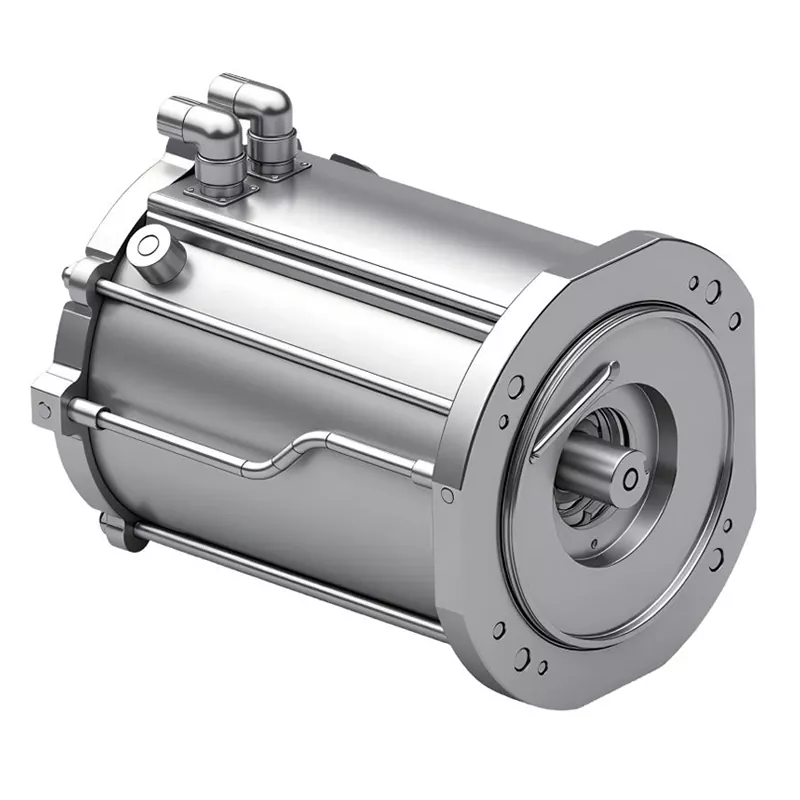
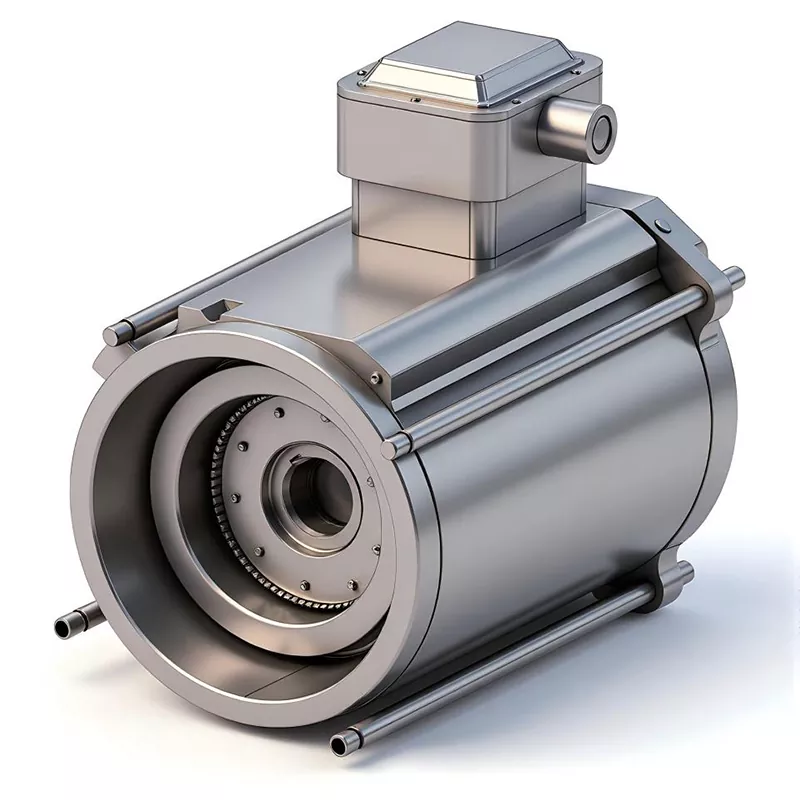
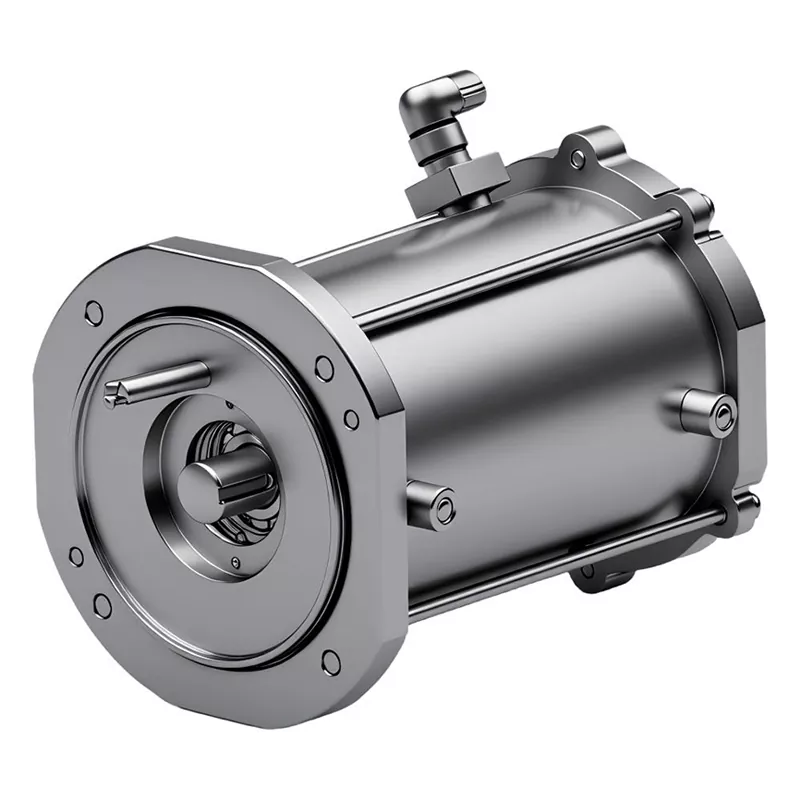
Driven by the dual forces of the modern industrial system and the new energy revolution, motors, as the core devices for energy conversion, are undergoing a technological iteration from traditional electromagnetic to permanent magnet types. Permanent magnet motors, with their remarkable advantages of high efficiency, miniaturization and low loss, have become the "power heart" in fields such as new energy vehicles, industrial automation, smart homes and aerospace, profoundly changing the way energy is utilized in human production and life.

I. Core Principle of Permanent Magnet Motors: An energy revolution driven by magnetic fields

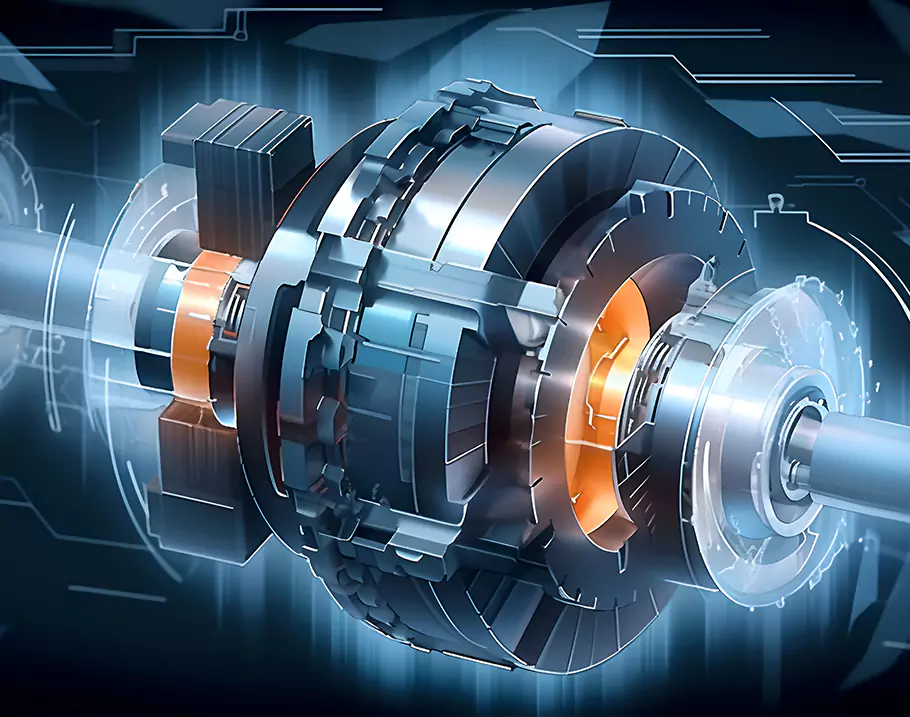
The essence of permanent magnet motors is to use the constant magnetic field generated by permanent magnetic materials (such as neodymium iron boron, samarium cobalt, etc.) to replace the excitation windings in traditional motors, and achieve efficient conversion of electrical energy and mechanical energy through electromagnetic induction. Its working principle can be summarized as "magnetic field interaction" : after alternating current is passed through the stator winding, a rotating magnetic field is generated. This magnetic field interacts with the constant magnetic field of the permanent magnets on the rotor, generating electromagnetic torque to drive the rotor to rotate, and then driving the external load to operate.

Compared with traditional excitation motors, permanent magnet motors eliminate excitation windings, slip rings, brushes and other components, achieving two major breakthroughs in structure: First, they eliminate excitation losses (accounting for about 10%-20% of the total motor losses), significantly improving energy conversion efficiency; Second, it simplifies the motor structure, reduces the failure rate and extends the service life. Take the drive motors of new energy vehicles as an example. The efficiency of permanent magnet synchronous motors can generally reach 90% to 97%, which is much higher than the 85% to 90% of traditional asynchronous motors. This is also the core reason why they have become the mainstream drive solution.

Ii. Technical Advantages: Four Dimensions of Reshaping Motor Performance

The wide application of permanent magnet motors stems from their all-round breakthroughs in performance, size, energy consumption and reliability, which can be specifically summarized into four core advantages:

1. High efficiency and energy saving: Low loss feature under all operating conditions

Permanent magnet motors can maintain high efficiency over a wide range of rotational speeds, especially under partial load conditions (such as new energy vehicles in urban traffic), where their efficiency advantage is even more pronounced. Taking the three-phase asynchronous motor commonly used in the industrial field as an example, under the same power, the no-load loss of the permanent magnet motor can be reduced by more than 50%, and the operating loss can be reduced by 20% to 30%. Long-term use can save a large amount of electricity. According to the International Energy Agency, if all industrial motors worldwide were replaced with permanent magnet high-efficiency motors, approximately 120 million tons of carbon dioxide emissions could be reduced annually.

2. Compact and lightweight: Structural design that breaks through spatial limitations

Due to the magnetic flux density of permanent magnetic materials being much higher than that of traditional excitation windings, the volume and weight of permanent magnet motors can be reduced by 30% to 50% under the same power. This advantage is particularly crucial in fields such as aerospace and medical devices that are sensitive to space and weight. For instance, the permanent magnet drive motors used in drones weigh only half as much as traditional motors, yet they can offer higher power density, significantly enhancing their endurance.

3. Low noise and high reliability: The operational advantage of reducing maintenance costs

Permanent magnet motors have no easily worn parts such as brushes and slip rings. Their rotor structure is simple. During operation, they have low vibration and noise (usually below 60 decibels), and their failure rate is much lower than that of traditional motors. In industrial production lines, the mean time between failures (MTBF) of permanent magnet motors can reach over 100,000 hours, which is 2 to 3 times that of traditional motors, significantly reducing equipment maintenance costs and downtime losses.

4. Wide speed regulation range: Control flexibility adapted to multiple scenarios

By means of vector control, variable frequency speed regulation and other technologies, permanent magnet motors can achieve wide-range speed regulation from 0 to 10,000 RPM, with high speed regulation accuracy (error less than 0.5%) and fast response speed (millisecond level). This feature enables it to meet the demands of various scenarios: in new energy vehicles, it can achieve seamless switching between low-speed high-torque starting and high-speed efficient cruising. In precision machine tools, it can provide stable low-speed operation to ensure processing accuracy.

Iii. Application Fields: Power Transformation Penetrating the entire Industrial chain

From industrial production to daily life, from ground transportation to aerospace, permanent magnet motors have become the core driving force for technological upgrades in various fields. Their main application scenarios include:

1. New energy vehicles: The mainstream choice for drive systems

At present, over 90% of pure electric vehicles and hybrid vehicles worldwide use permanent magnet synchronous motors as drive motors. For instance, mainstream models such as Tesla Model 3 and BYD Han are all equipped with high-performance permanent magnet motors, which not only provide strong power (with a 0-100 km/h acceleration as fast as 2.1 seconds), but also achieve low energy consumption (with a minimum power consumption of only 11.9 KWH per 100 km), facilitating the transformation of the automotive industry towards low-carbonization.

2. Industrial automation: Key equipment for enhancing production efficiency

In the industrial field, permanent magnet motors are widely used in machine tools, robots, fans, water pumps and other equipment. Take industrial robots as an example. The permanent magnet servo motors used at the joints can achieve high-precision positioning (with a repeat positioning accuracy of ±0.001mm) and rapid response, enabling the robots to complete complex assembly, welding and other tasks, and significantly improving production efficiency. In addition, fans and pumps driven by permanent magnet motors can save 20% to 40% of energy compared with traditional motors, saving a huge amount of electricity fees for industrial enterprises every year.

3. Smart Home and Consumer Electronics: Core Components for Optimizing user experience

In daily life, permanent magnet motors have permeated into fields such as household appliances and digital products. For instance, the permanent magnet DC motor adopted in smart washing machines can achieve stepless speed regulation, resulting in more even washing and lower noise. The cooling fan of the notebook computer adopts a micro permanent magnet motor, which is only the size of a coin but can provide efficient cooling effect and ensure the stable operation of the device.

4. Aerospace and National Defense: Technical Support for Breaking Through Extreme Environments

In the aerospace field, permanent magnet motors are widely used in satellite attitude control, unmanned aerial vehicle (UAV) propulsion, missile guidance systems, etc., due to their high reliability and ability to withstand extreme environments (operating within a temperature range of -60 ℃ to 200℃). For instance, the permanent magnet motor carried by China's Chang 'e-5 lunar probe has been operating stably in the extreme temperature difference environment on the moon, providing crucial power support for the sample return mission.

Iv. Development Challenges and Future Trends: Technological Breakthroughs towards Higher Performance

Although permanent magnet motors have achieved remarkable success, they still face some challenges in their development process: First, permanent magnet materials rely on imports. Over 90% of the world's high-performance neodymium iron boron permanent magnet materials are produced in China, but the scarcity and price fluctuations of rare earth resources may affect the stability of the industry. Second, the high-temperature stability is insufficient. Traditional neodymium iron boron permanent magnetic materials are prone to demagnetization at high temperatures, which limits their application in high-temperature scenarios such as aero engines and the nuclear industry. Thirdly, the cost is relatively high. The price of high-performance permanent magnetic materials is 5 to 10 times that of traditional electromagnetic materials, which increases the manufacturing cost of motors.

In response to these challenges, the future development of permanent magnet motors will break through in three major directions:

1. Research and development of new permanent magnetic Materials: Breaking through resource and performance limitations

Research institutions are actively developing rare earth-free permanent magnetic materials (such as iron-nitrogen and iron-cobalt permanent magnetic materials) and high-temperature resistant permanent magnetic materials (such as improved versions of samarium cobalt permanent magnetic materials) to reduce reliance on rare earth resources and enhance the stability of motors in extreme environments. For instance, the iron-nitrogen permanent magnetic material developed by the US Department of Energy has magnetic properties close to those of neodymium iron boron and does not contain rare earth elements, which can reduce costs by more than 40%.

2. Intelligence and Integration: Enhance the performance of motor systems

In the future, permanent magnet motors will be deeply integrated with Internet of Things and artificial intelligence technologies to achieve intelligent monitoring and adaptive regulation. For instance, industrial motors can be monitored in real time for their operating status through sensors, and combined with AI algorithms to optimize speed regulation strategies, further reducing energy consumption. Meanwhile, the integrated design of motors with controllers and reducers (such as the "multi-in-one" electric drive system in new energy vehicles) will significantly reduce volume and weight, and enhance system efficiency.

3. Green Manufacturing and Recycling: Building a Sustainable Industrial Chain

To achieve low-carbon development, the permanent magnet motor industry will promote the application of green manufacturing technologies, such as solvent-free coating and low-temperature sintering processes, to reduce pollution during the production process. Meanwhile, a recycling system for permanent magnetic materials should be established. Through technologies such as disassembly and purification, the recycling of rare earth resources can be achieved, reducing the reliance on primary resources.

Conclusion

From the steam power of the Industrial Revolution to the electromagnetic motors of the electrical Age, and now to the permanent magnet motors, humanity's pursuit of efficient power has never ceased. As one of the core technologies of the new energy revolution and Industry 4.0, permanent magnet motors are not only the key to improving energy utilization efficiency and promoting low-carbon development, but also an important support for achieving high-end manufacturing and breaking through technological blockades. With the continuous breakthroughs in new materials and intelligent technologies, permanent magnet motors will create value in more fields and inject a continuous stream of "green power" into the sustainable development of human society.


Related News
Leave me a message
X
We use cookies to offer you a better browsing experience, analyze site traffic and personalize content. By using this site, you agree to our use of cookies. Privacy Policy
Reject Accept