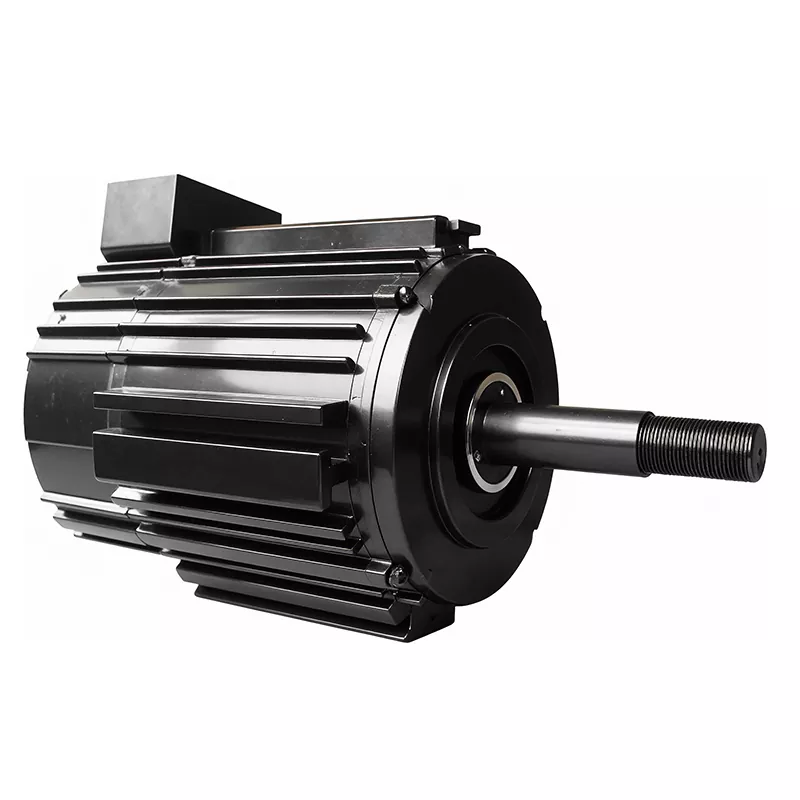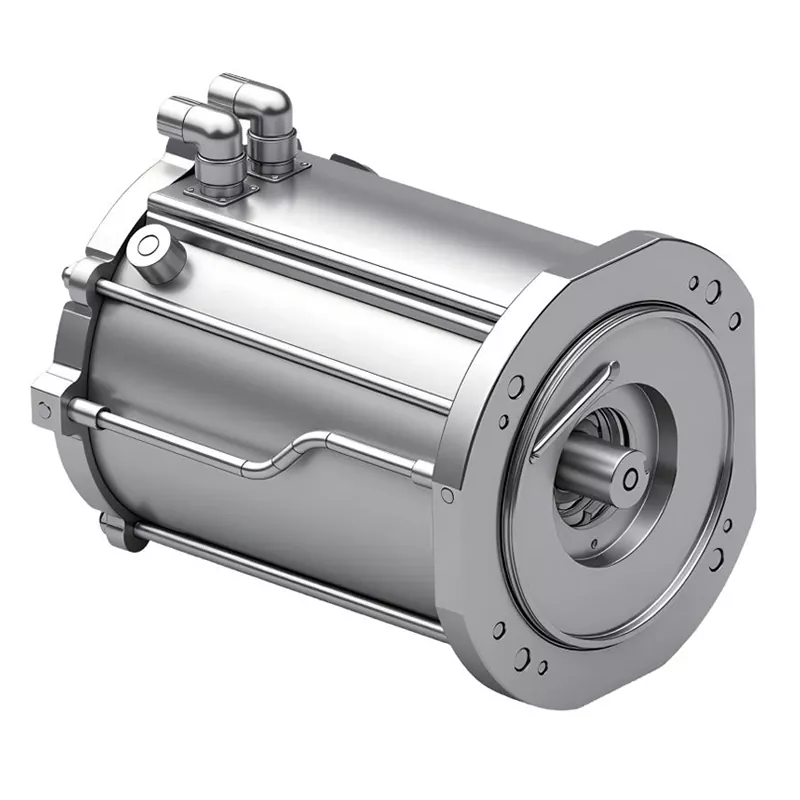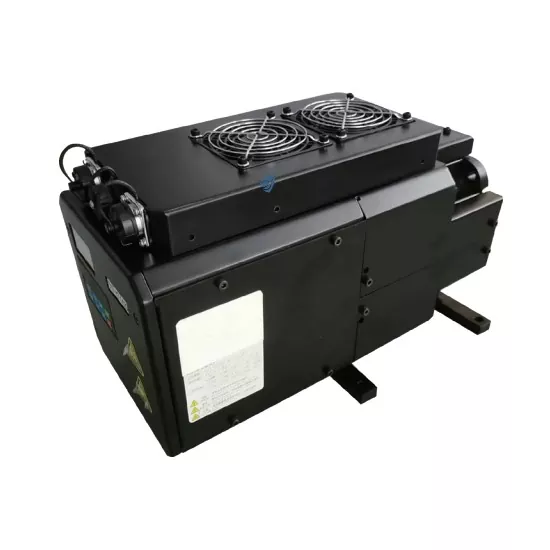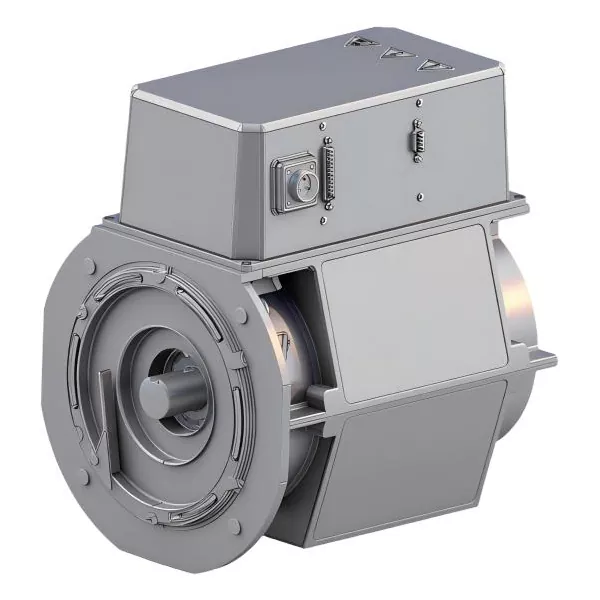

Article Summary: Choosing the right motor is no longer just a technical decision. For equipment manufacturers, automation engineers, and procurement teams, the motor affects energy consumption, maintenance schedules, product reliability, noise control, machine size, and long-term operating cost. This article explains how a Brushless DC Motor helps solve common pain points such as frequent brush replacement, unstable speed, heat buildup, poor efficiency, and unexpected downtime. It also offers practical selection points for buyers comparing motor options for industrial machinery, robotics, smart equipment, electric mobility, HVAC systems, and customized power solutions.
Table of Contents
- Why do traditional motor problems become expensive over time?
- What makes a Brushless DC Motor different in daily operation?
- How does brushless design reduce maintenance pressure?
- Where does a Brushless DC Motor create the most value?
- Which specifications should buyers compare before ordering?
- How can customization improve equipment performance?
- What mistakes should buyers avoid?
- FAQ
- Conclusion
Article Outline:
- Identify the hidden costs caused by inefficient or high-maintenance motors.
- Explain the practical working advantages of brushless motor technology.
- Compare performance factors such as speed stability, heat control, noise, and service life.
- Provide selection guidance for industrial and commercial buyers.
- Show how Zhejiang Jiafeng Power Technology Co., Ltd. supports customized motor solutions.
Why do traditional motor problems become expensive over time?
Many motor failures do not begin as dramatic breakdowns. They start quietly: a machine runs slightly hotter than expected, a conveyor needs more frequent adjustment, a small tool loses speed under load, or an operator notices vibration that was not there before. At first, these issues may look minor. Over weeks or months, however, they can turn into higher electricity bills, more maintenance hours, unstable production quality, and sudden downtime.
For buyers, the difficult part is that the purchase price of a motor is only one piece of the cost. A low-cost motor may look acceptable during procurement, but if it needs frequent servicing, wastes energy, or causes equipment stoppages, the real cost becomes much higher. This is why many manufacturers and equipment designers now pay closer attention to the full operating life of the motor rather than only the initial price.
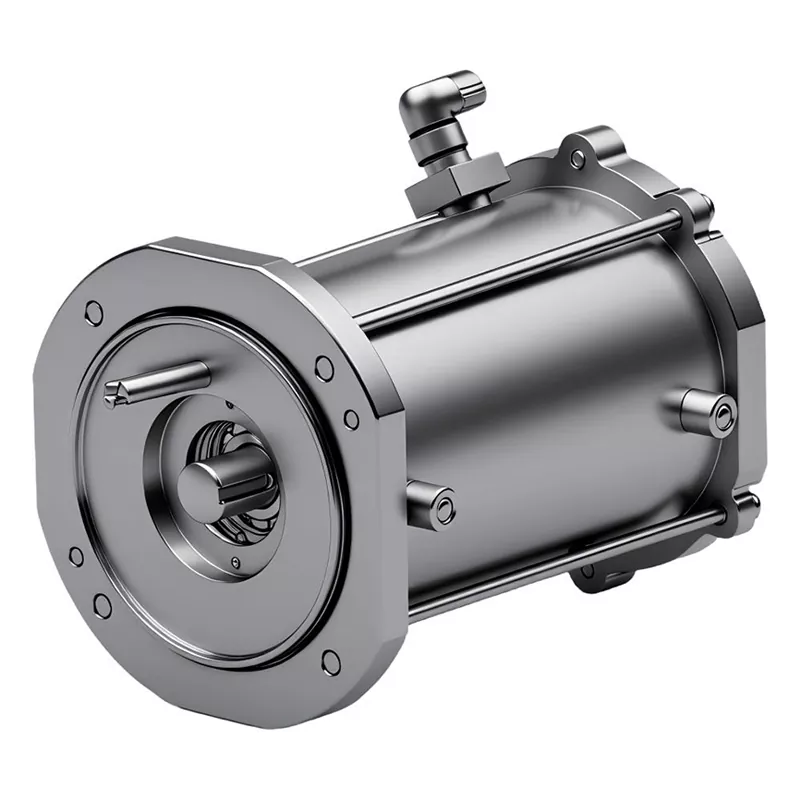
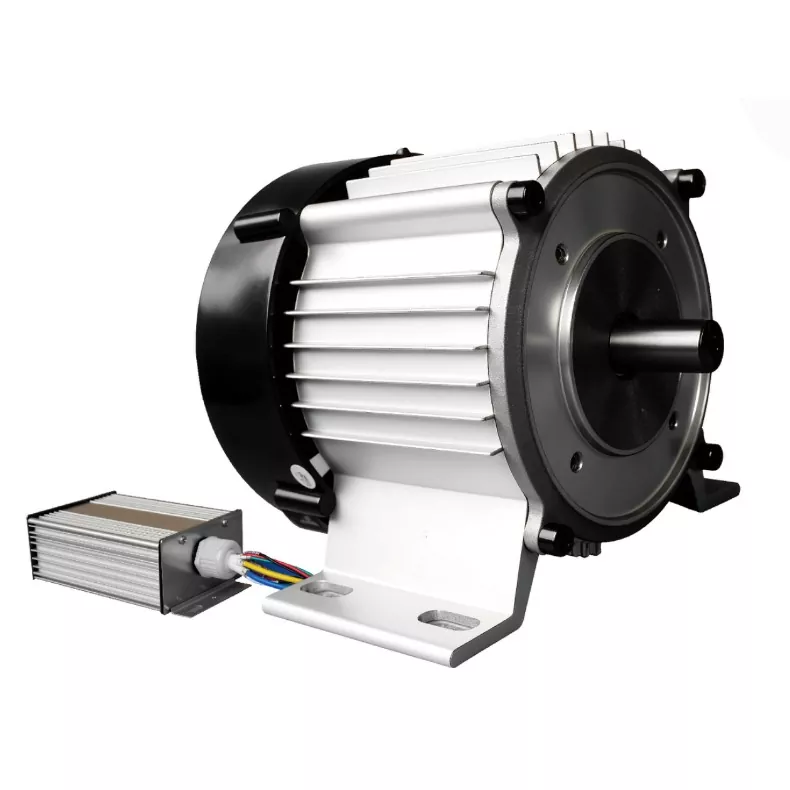
A Brushless DC Motor is often selected because it directly addresses several of these long-term pain points. Instead of using brushes and mechanical commutation, it relies on electronic control. That change may sound technical, but the result is very practical: less wear, smoother operation, better speed control, lower noise, and improved efficiency in many applications.
Practical buyer insight: If a motor is installed inside equipment that is difficult to access, runs for long hours, or supports a high-value production process, maintenance reduction is not a small benefit. It can become the main reason to upgrade.
What makes a Brushless DC Motor different in daily operation?
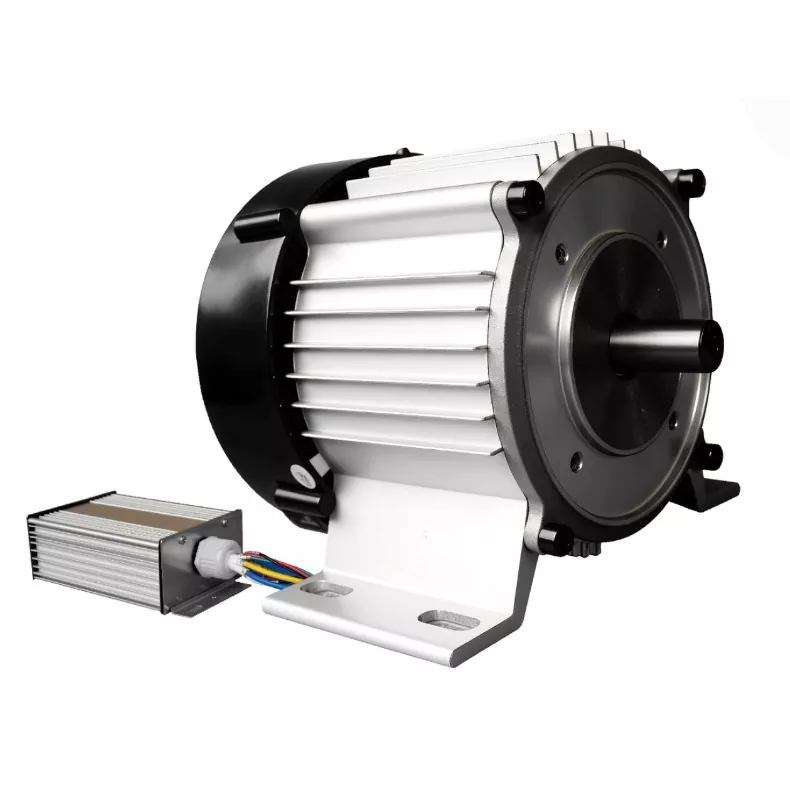
A brushed motor depends on physical contact between brushes and a commutator. That contact creates friction, electrical wear, heat, and sometimes sparks. A Brushless DC Motor removes this contact-based commutation method and uses an electronic controller to manage current flow through the motor windings. The rotor usually uses permanent magnets, while the controller helps maintain smooth rotation and accurate speed response.
In daily operation, this difference can be felt in several ways. The motor runs more quietly. It can maintain speed more consistently when the load changes. It produces less mechanical wear because there are no brushes rubbing against a commutator. It is also easier to integrate into systems that need variable speed control, compact design, or long operating cycles.
For industries such as automation, robotics, electric vehicles, smart appliances, and energy-saving equipment, these advantages are not just technical details. They influence how stable the final product feels to the end user. A robotic arm that moves smoothly, an automated door that opens without vibration, an electric drive system that responds quickly, and a compact machine that operates quietly all depend on motor behavior.
Zhejiang Jiafeng Power Technology Co., Ltd. develops motor solutions for practical equipment needs where efficiency, durability, and stable performance matter. For buyers looking at a Brushless DC Motor, the goal is usually not simply to replace one motor with another. The goal is to make the whole machine more dependable.
How does brushless design reduce maintenance pressure?
Maintenance pressure is one of the most common complaints from equipment users. Motors with wearable components can require inspection, cleaning, part replacement, and downtime. In high-volume production, even a short stop can affect delivery schedules. In remote or sealed installations, maintenance may require extra labor and disassembly.
A Brushless DC Motor reduces this pressure because the design removes brushes, one of the most common wear points in traditional DC motors. Without brush friction, the motor can run with less mechanical degradation. This also helps reduce dust caused by brush wear, which is useful for cleaner operating environments and sensitive equipment.
Reduced maintenance does not mean buyers can ignore installation quality or operating conditions. Heat, overload, poor controller matching, and incorrect voltage can still damage a motor. However, when properly selected and installed, brushless motors are well suited for applications that demand long service life and consistent output.
- Less mechanical wear: No carbon brushes means fewer parts that need regular replacement.
- Lower downtime risk: Fewer wear-related failures can help equipment stay in operation longer.
- Cleaner operation: Reduced brush dust supports cleaner internal machine environments.
- Quieter performance: Smooth electronic commutation can reduce operating noise.
- Better control response: Electronic control improves speed regulation and torque response.
For purchasing teams, this means the decision should include service cost, not just product cost. A motor that runs longer with fewer interventions can be more economical over the full life of the equipment.
Where does a Brushless DC Motor create the most value?
The strongest value appears in applications where efficiency, compact size, stable control, and long service life are important at the same time. A Brushless DC Motor is not limited to one industry. It can be used in many types of equipment because its advantages match several modern design trends: machines are becoming smaller, smarter, quieter, and more energy-conscious.
In industrial automation, the motor can support conveyors, positioning equipment, handling systems, and compact drive units. In robotics, it helps deliver controlled motion with repeatable speed and torque. In electric mobility, it supports efficient power conversion and responsive acceleration. In HVAC and energy-related systems, the efficiency advantage can help reduce operating cost over time.
| Application Area | Common Buyer Pain Point | How a Brushless DC Motor Helps |
|---|---|---|
| Industrial automation | Unplanned downtime, unstable speed, frequent maintenance | Supports stable operation, accurate speed control, and reduced wear |
| Robotics | Motion vibration, poor response, limited space | Offers compact design, smooth control, and responsive torque output |
| Electric vehicles and e-bikes | Energy loss, heat buildup, inconsistent performance | Improves efficiency and helps deliver reliable drive performance |
| HVAC and ventilation systems | Long running hours and high power consumption | Helps reduce energy waste and supports variable speed operation |
| Smart home appliances | Noise, vibration, short service life | Runs quietly and smoothly for user-facing equipment |
| Solar tracking and energy equipment | Need for reliable motion in outdoor or continuous-use conditions | Provides controlled movement and supports long-term operating stability |
For buyers, the important question is not whether a brushless motor is advanced. The better question is whether its advantages match the actual working condition of the equipment. If the application demands reliability, speed control, compact installation, or low maintenance, the answer is often yes.
Which specifications should buyers compare before ordering?
Motor selection should begin with the working condition, not the catalog. A buyer may know the desired power range, but the final choice also depends on voltage, speed, torque, duty cycle, installation space, cooling method, controller compatibility, and environmental conditions. A well-matched Brushless DC Motor can perform smoothly for years. A poorly matched one may overheat, stall, or fail early.
Before placing an order, buyers should prepare clear technical information. This makes communication with the manufacturer faster and reduces the risk of choosing the wrong model.
- Power requirement: Define the rated power and peak load demand.
- Voltage range: Confirm whether the system uses low-voltage DC power or a customized voltage platform.
- Speed range: Identify rated speed, minimum speed, maximum speed, and speed control needs.
- Torque demand: Check starting torque, continuous torque, and peak torque.
- Working cycle: Clarify whether the motor runs continuously, intermittently, or under repeated start-stop conditions.
- Installation space: Provide frame size limits, shaft design, mounting method, and connector requirements.
- Operating environment: Note temperature, humidity, dust, vibration, water exposure, or other site conditions.
- Controller needs: Confirm whether the motor must match an existing driver or requires a new control solution.
| Selection Item | Why It Matters | Question to Ask Before Buying |
|---|---|---|
| Power | Determines whether the motor can handle the load safely | What is the rated load and peak load? |
| Voltage | Affects controller design and system compatibility | Does the equipment use a standard or customized voltage? |
| Speed | Influences output performance and machine behavior | Is fixed speed or variable speed required? |
| Torque | Critical for starting, lifting, moving, or resisting load changes | Does the motor need high starting torque? |
| Thermal design | Prevents overheating during long operation | Will the motor run continuously or under heavy load? |
| Protection level | Supports safe operation in demanding environments | Will the motor face dust, water, oil, or outdoor exposure? |
When buyers communicate these details early, suppliers can recommend a more suitable motor structure, winding design, cooling approach, and control method. This is especially important for customized equipment where a standard motor may not fully match the application.
How can customization improve equipment performance?
Customization matters because many machines are designed around special constraints. A standard motor may fit the power requirement but fail on shaft length, mounting direction, cable outlet, speed range, waterproofing, thermal performance, or controller communication. In these cases, forcing a standard motor into the design can create hidden problems later.
A customized Brushless DC Motor can help equipment manufacturers improve the final product instead of making compromises around an unsuitable component. For example, a compact machine may need a smaller frame with higher output density. A quiet appliance may need reduced vibration and smoother rotation. An industrial device may need stronger sealing or a more durable structure. A motion system may need tight speed control and fast response.
Zhejiang Jiafeng Power Technology Co., Ltd. supports buyers who need motor solutions matched to real equipment conditions. Rather than treating the motor as a generic part, the better approach is to evaluate how the motor interacts with the whole system: load, controller, working environment, expected service life, and user experience.
Customization may include:
- Power and voltage adjustment for specific system platforms.
- Speed and torque optimization for real load conditions.
- Shaft, flange, and mounting changes for mechanical integration.
- Improved sealing or protection for demanding environments.
- Low-noise structure for user-facing equipment.
- Driver matching for smoother control and easier installation.
- Thermal design improvements for long running cycles.
For OEM buyers, customization can also reduce assembly problems. When the motor arrives closer to the required configuration, engineers spend less time modifying brackets, adapting wiring, or troubleshooting control behavior. That saves time not only during product development, but also during production and after-sales service.
What mistakes should buyers avoid?
The first mistake is choosing a motor only by rated power. Two motors with similar power ratings may behave very differently under real load. One may handle frequent starts smoothly, while another may heat up quickly. One may maintain speed under changing load, while another may fluctuate. Buyers should always consider torque curve, duty cycle, controller match, and environmental conditions.
The second mistake is ignoring the controller. A Brushless DC Motor depends on electronic commutation, so the driver is not optional background equipment. If the motor and controller are poorly matched, the system may produce noise, vibration, poor acceleration, or unstable speed. Good supplier communication should include both motor and driver requirements.
The third mistake is underestimating heat. Even efficient motors generate heat under load. If the equipment enclosure has poor ventilation or the motor runs continuously near its limit, thermal management becomes critical. Buyers should describe the actual installation environment, not only the ideal test condition.
The fourth mistake is selecting the cheapest option without calculating downtime cost. In production equipment, one failure can cost more than the price difference between a low-grade motor and a better solution. For commercial products, motor noise or early failure can also damage the reputation of the finished equipment.
- Do not choose by price alone.
- Do not ignore load changes and starting torque.
- Do not separate motor selection from controller selection.
- Do not assume standard size always fits customized equipment.
- Do not overlook noise and vibration when the equipment faces end users.
- Do not forget to discuss protection level and environmental exposure.
A careful selection process may take more time at the beginning, but it prevents expensive correction later. For buyers managing production schedules, that is often the safer path.
FAQ
1. Is a Brushless DC Motor better than a brushed DC motor?
It depends on the application, but a Brushless DC Motor is usually preferred when the equipment requires longer service life, lower maintenance, higher efficiency, quieter operation, and more accurate speed control. Brushed motors may still be used in simple low-cost applications, but brushless motors are often better for demanding or long-running equipment.
2. Can a Brushless DC Motor run continuously?
Yes, many brushless motors can support continuous operation when properly selected and installed. Buyers should confirm rated power, duty cycle, cooling conditions, load level, and controller compatibility before using the motor in continuous-duty applications.
3. Why does controller matching matter?
The controller manages commutation, speed regulation, and current delivery. If the controller does not match the motor, the system may suffer from unstable speed, poor torque response, overheating, or abnormal noise. Motor and driver selection should be considered together.
4. Is a Brushless DC Motor suitable for compact equipment?
Yes. Brushless motors are often used in compact systems because they can provide strong output in a relatively small size. However, the final design should still consider heat dissipation, installation space, cable routing, and mounting structure.
5. What information should I provide for a customized motor inquiry?
You should provide power, voltage, speed, torque, duty cycle, installation size, shaft requirements, working environment, protection needs, controller requirements, and target application. Photos, drawings, or existing motor parameters can also help the manufacturer recommend a better solution.
6. Does a brushless motor help reduce energy cost?
In many applications, yes. Because brushless motors can convert electrical energy into mechanical output efficiently and support better control, they can help reduce wasted energy, especially in systems that run for long hours or require variable speed operation.
7. Can Zhejiang Jiafeng Power Technology Co., Ltd. support customized Brushless DC Motor projects?
Yes. Zhejiang Jiafeng Power Technology Co., Ltd. provides motor solutions for buyers who need reliable performance, practical customization, and application-focused technical support. Buyers can discuss their equipment requirements to find a more suitable motor configuration.
Conclusion
A motor may be a single component, but it can influence the reliability, efficiency, comfort, and service cost of the entire machine. When buyers face problems such as frequent maintenance, unstable speed, excessive noise, limited installation space, or rising energy use, a Brushless DC Motor offers a practical path toward improvement.
The value of brushless technology comes from more than removing brushes. It comes from the combination of electronic control, efficient power conversion, smoother operation, reduced mechanical wear, and flexible integration. For manufacturers building modern equipment, this can translate into fewer service complaints, better machine performance, and stronger product competitiveness.
For the best result, buyers should not treat motor selection as a simple catalog choice. The right motor should match the real load, working environment, controller, space limit, and long-term operating goal. Working with an experienced supplier can make this process clearer and safer.
Need a motor solution that fits your equipment instead of forcing your equipment to fit the motor? Zhejiang Jiafeng Power Technology Co., Ltd. can help you evaluate power, speed, voltage, installation, and customization requirements for your next Brushless DC Motor project. If you are planning a new machine, upgrading an existing drive system, or comparing motor options for industrial production, contact us to discuss a practical solution built around your real application needs.