News

Why Is Oil Cooled Motor Technology a Smart Choice for Demanding Industrial Equipment?

2026-04-15 0 Leave me a message
Article Summary

Choosing the right motor is rarely just about rated power. In real industrial use, buyers often struggle with overheating, unstable output, limited installation space, rising maintenance costs, and uncertainty about long-term reliability. This article explains why an Oil Cooled Motor can be a practical answer when conventional cooling methods no longer match the operating conditions.

I will walk through how this motor design works, where it delivers value, what questions buyers should ask before purchasing, and how to compare cooling options from a performance and lifecycle perspective. I will also show why manufacturers such as Zhejiang Jiafeng Power Technology Co.,Ltd. are gaining attention from equipment builders that need durable, continuous-duty motor solutions rather than generic catalog products.

Outline
  1. Define the operating logic of an Oil Cooled Motor
  2. Break down the most common buyer pain points in industrial motor selection
  3. Explain the practical advantages in heat control, stability, size, and maintenance
  4. Match the technology to real-world use cases
  5. Compare oil cooling with more familiar cooling methods
  6. Provide a purchase checklist for engineers, sourcing teams, and OEM buyers
  7. Answer frequently asked questions before project approval or quotation

What makes an Oil Cooled Motor different?

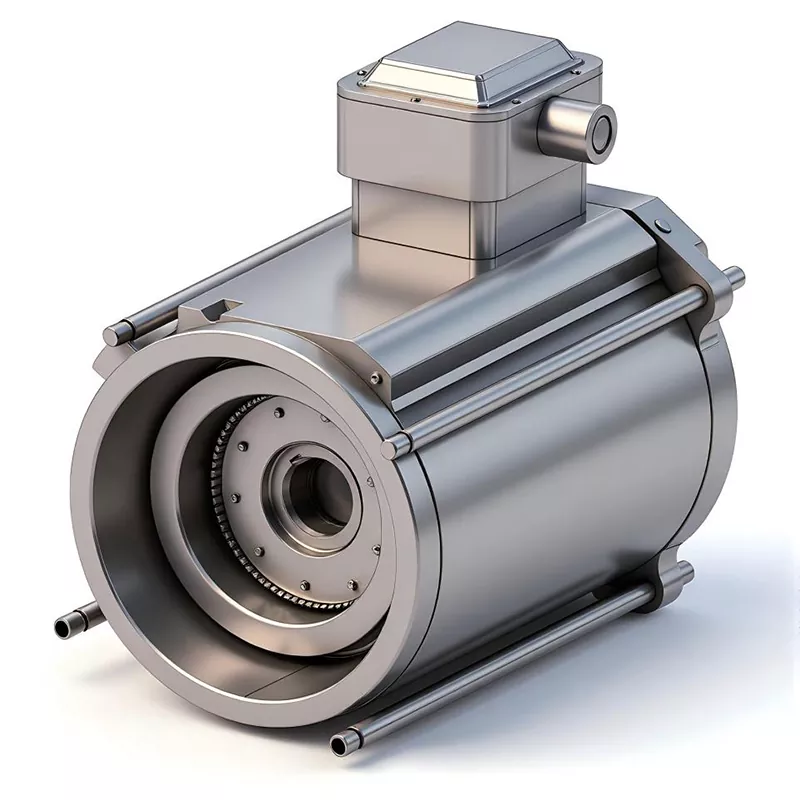
Oil Cooled Motor

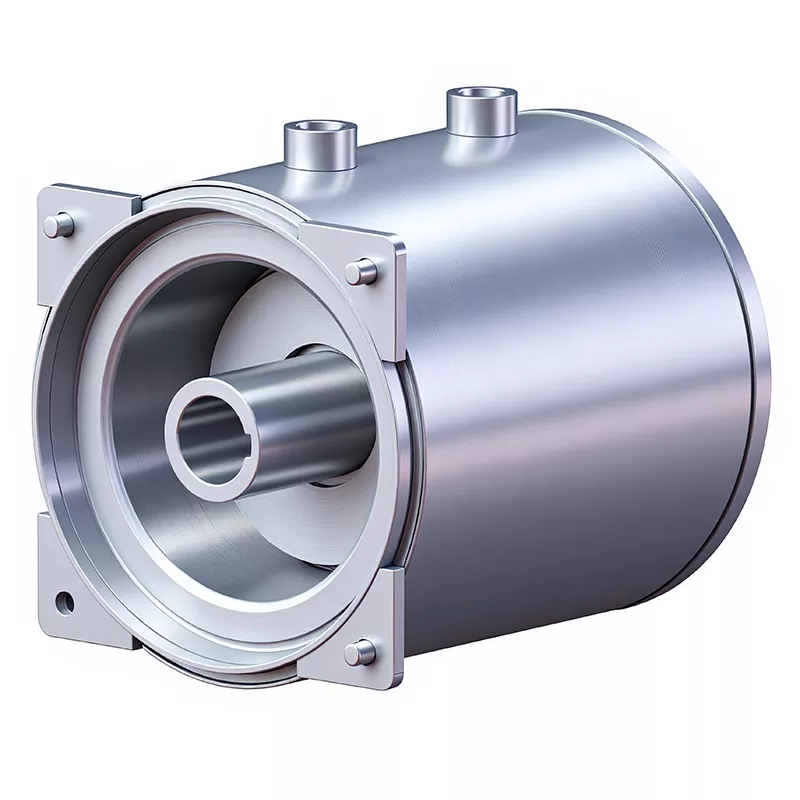
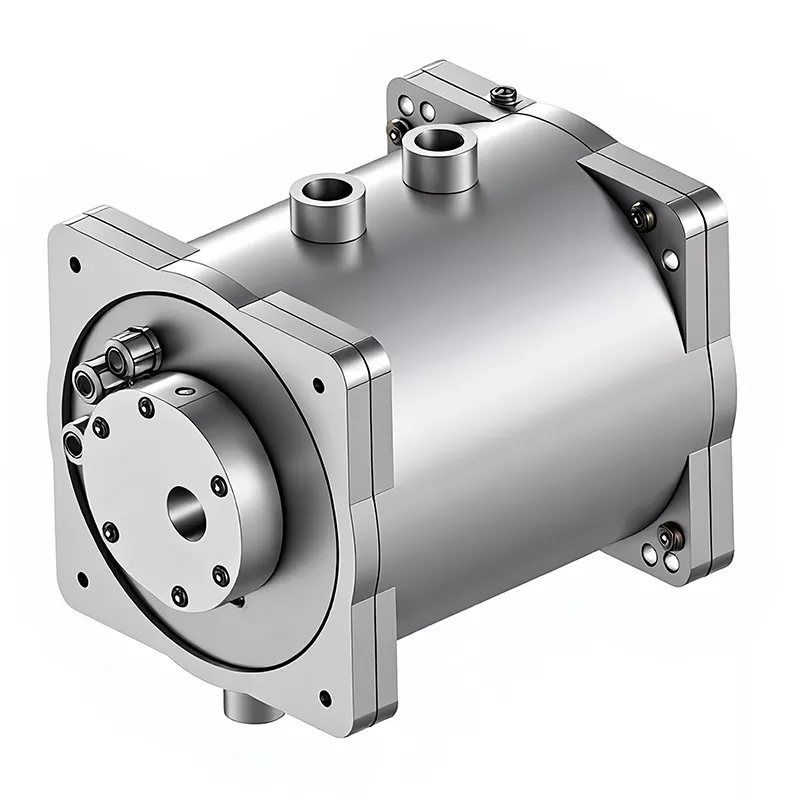
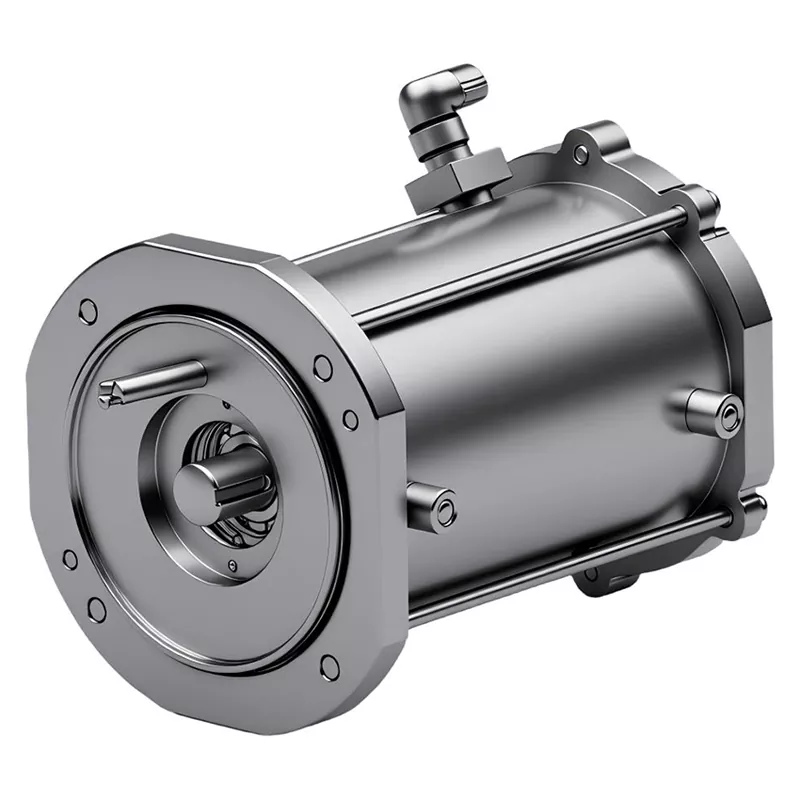
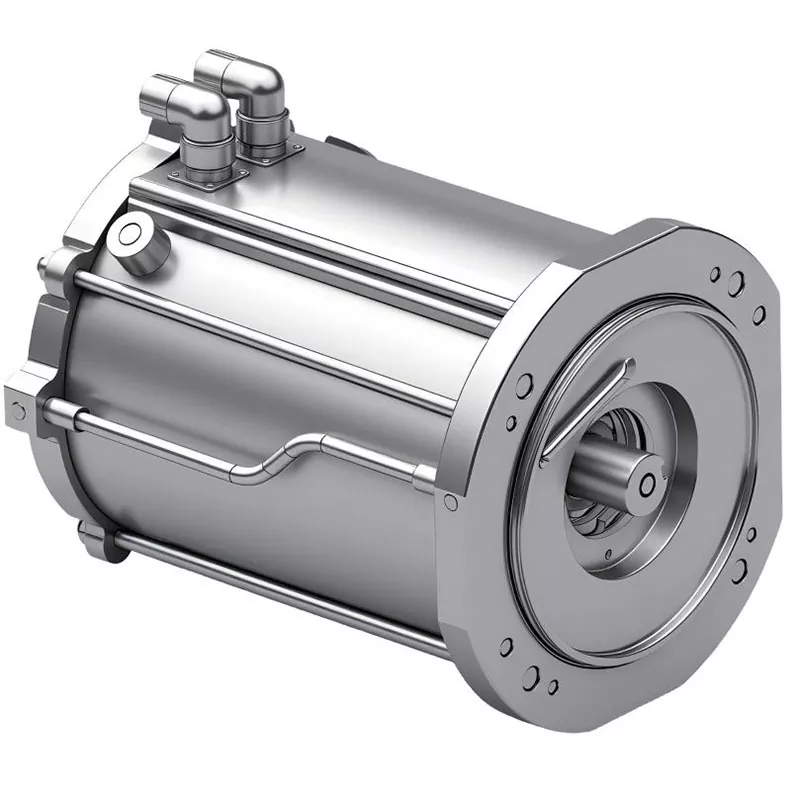
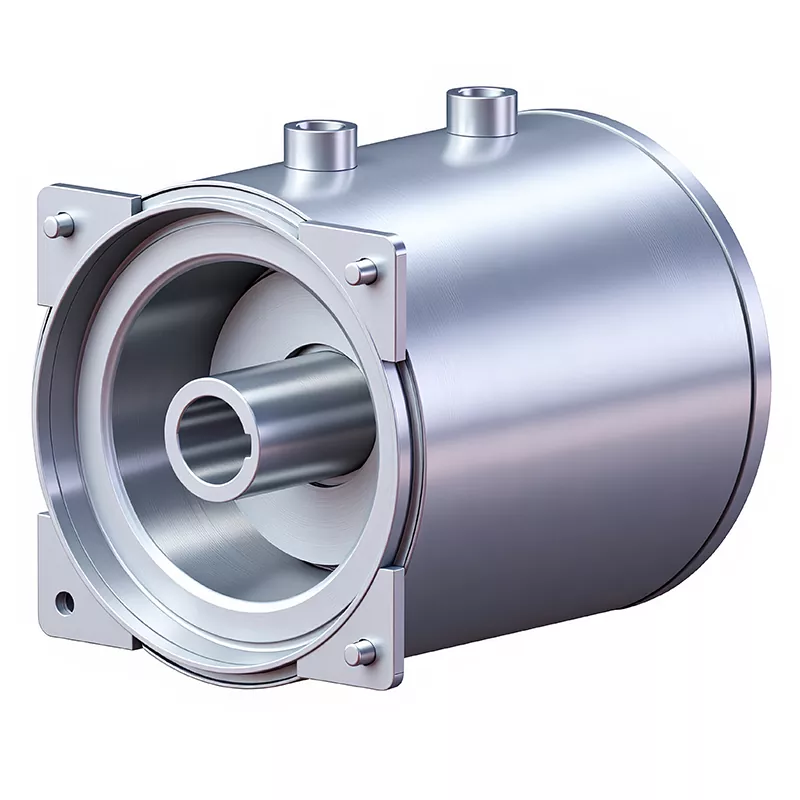
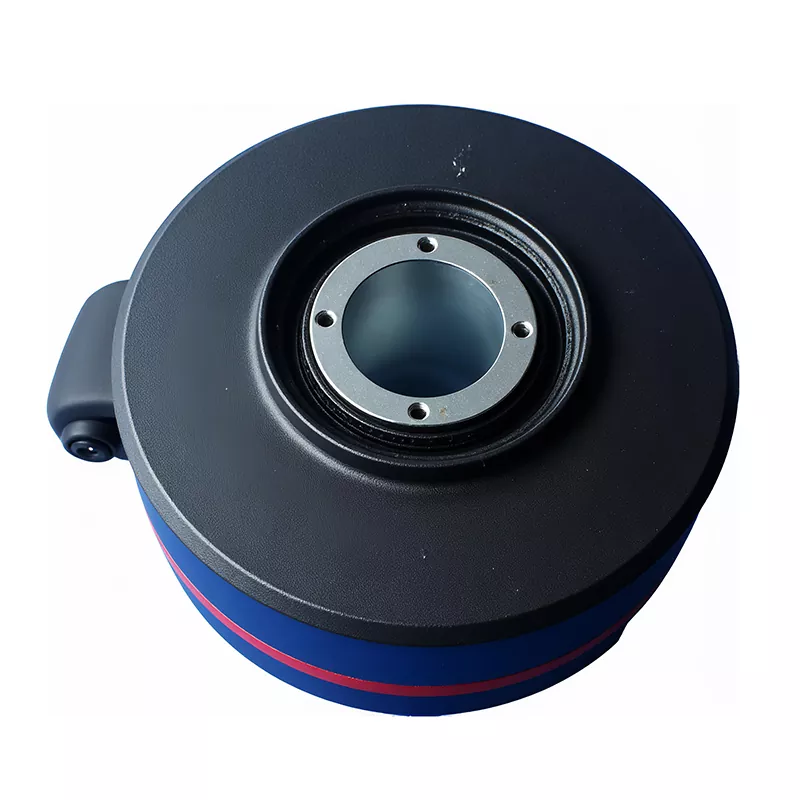
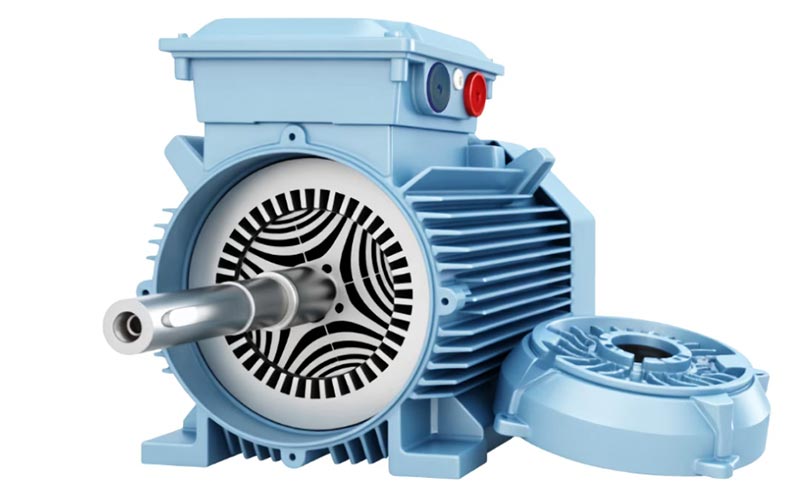
An Oil Cooled Motor uses circulating oil to carry heat away from critical internal areas during operation. Instead of relying only on surrounding air to remove thermal buildup, the system introduces a more direct and efficient thermal path. That difference matters when the motor must keep running under heavy load, high ambient temperature, compact installation conditions, or long-duty cycles.

In simple terms, the design is intended to solve a very specific industrial problem: standard motors often perform well on paper, yet struggle once the working environment becomes harsher than the test environment. When heat cannot leave the motor fast enough, winding temperature rises, efficiency drifts, service life shortens, and production interruptions become more likely. For buyers who are judged by uptime rather than brochure claims, that is where the conversation changes.

This is why the topic deserves more attention. The decision is not really “oil cooling versus air cooling” in an abstract sense. The real question is whether your equipment can afford thermal instability during real operation.

Why do buyers move away from conventional cooling?

Most purchasing decisions begin with frustration. Very few buyers start looking for an Oil Cooled Motor because they simply want something new. They start looking because the current solution creates problems that keep coming back.

  • Overheating during continuous operation — the motor may pass short-cycle tests but become unreliable during long shifts.
  • Installation space is limited — some equipment layouts leave little room for large cooling structures or unrestricted airflow.
  • Dust, moisture, or harsh ambient conditions — in these environments, external cooling efficiency may drop or maintenance frequency may rise.
  • Unstable output under heavy load — heat accumulation can affect consistency, especially in precision or process-critical machinery.
  • Maintenance cost keeps increasing — repeated shutdowns, inspections, and parts replacement hurt the total cost of ownership.
  • Noise concerns — in some applications, a smoother and quieter drive solution is preferred.

These are not theoretical issues. They show up in procurement meetings, warranty reviews, production downtime reports, and customer complaints. A motor that looks acceptable in a basic specification table can become an expensive weak point once it is integrated into actual equipment.

What benefits matter most in real projects?

When I evaluate whether an Oil Cooled Motor is a better fit, I focus less on marketing language and more on what changes in day-to-day use. The strongest advantages usually appear in the following areas.

Project Concern How Oil Cooling Helps Why It Matters to Buyers
Heat buildup Oil transfers heat away from internal hot spots more efficiently Improves thermal stability during long, demanding operating cycles
Service life Better thermal management can reduce stress on internal components Helps lower the chance of premature failure and replacement cost
Load consistency Temperature control supports more stable performance under load Useful for equipment where output consistency affects product quality
Compact design goals Efficient cooling may support high performance within limited space Helps OEMs and machine builders optimize equipment layout
Maintenance burden Lower thermal stress may reduce wear-related downtime Supports better lifecycle economics, not just lower purchase price
Operating environment Suitable for applications where traditional external cooling is less effective Important in enclosed, harsh, or high-duty industrial settings

The most valuable point here is predictability. Buyers do not only want a motor that can run; they want a motor that can keep running without becoming the weak link in the system. That is often the real commercial value of an Oil Cooled Motor.

Another detail many buyers appreciate is lifecycle clarity. A cheaper motor can become more expensive if it causes repeated shutdowns, unstable process quality, frequent bearing or seal attention, or heat-related performance loss. In that context, paying more for a better thermal solution is often the more rational decision.

Which applications benefit the most?

Not every project needs this type of motor, and saying otherwise would be lazy writing. The better question is where an Oil Cooled Motor delivers enough additional value to justify the choice.

It is especially attractive in applications that combine heavy duty, long runtime, restricted installation space, or high reliability requirements. Equipment designers and sourcing teams often consider this route when the cost of failure is higher than the cost of the motor itself.

Application Type Typical Operating Challenge Why Oil Cooling Can Be Attractive
Industrial processing equipment High load, long daily runtime, variable operating conditions Supports stable thermal behavior and reliable output
Pump and compressor systems Continuous-duty operation with heat accumulation risk Helps reduce overheating concerns in sustained service
Conveyor and material handling systems Frequent use, limited maintenance windows Can improve uptime and reduce operational interruptions
Compact integrated machinery Restricted airflow and tight design envelope Offers a more efficient cooling route in limited spaces
Specialized OEM equipment Custom installation, special mounting, unusual duty cycles Works well when standard motor options are too generic

This is also where supplier flexibility becomes important. A serious buyer rarely needs only “a motor.” They may need voltage adaptation, speed matching, shaft modification, mounting adjustments, sealing considerations, or integration with a broader drive system. That is one reason companies like Zhejiang Jiafeng Power Technology Co.,Ltd. stand out to OEM and project buyers looking beyond standard catalog parts.

How does it compare with other cooling approaches?

Many buyers compare options too narrowly, usually on first price or name familiarity. That is understandable, but not always helpful. A better comparison looks at thermal behavior, installation demands, maintenance impact, and overall suitability for the intended workload.

Cooling Method General Strength Possible Limitation Best Fit
Air cooling Simple, widely used, often lower initial cost May struggle in high-load or restricted-airflow conditions Standard-duty applications with manageable thermal demand
Water cooling Strong cooling capability in some systems System complexity and integration requirements can increase Applications already designed around liquid cooling infrastructure
Oil cooling Efficient internal heat transfer and stable performance focus Requires proper design, sealing, and supplier know-how High-duty, compact, reliability-driven industrial applications

I would not frame this as a universal winner-takes-all decision. Instead, I would say this: if your main pain point is serious thermal stress in a demanding industrial setting, an Oil Cooled Motor deserves a place on the shortlist much earlier than many buyers assume.

A practical buying mindset

A motor should not be evaluated as an isolated component. It should be evaluated as a risk-control decision inside the total equipment system. The more expensive your downtime, the more important cooling strategy becomes.

What should buyers check before ordering?

This is the section many articles skip, but it is often the most useful one. Before you request a quotation, I recommend clarifying the following points internally. It saves time, improves communication with the supplier, and reduces the chance of selecting a motor that looks right but performs poorly after installation.

  1. What is the real duty cycle?
    Do not describe the motor as “continuous” unless you know the actual runtime, load peaks, start-stop pattern, and thermal exposure.
  2. How much installation space is available?
    If space is tight, your cooling and mounting requirements may immediately rule out certain standard designs.
  3. What are the environmental conditions?
    Ambient temperature, dust, humidity, washdown exposure, and enclosure constraints all matter.
  4. Which electrical and mechanical parameters are fixed?
    Rated power, voltage, speed, torque expectations, shaft size, flange details, and protection level should be confirmed early.
  5. Is this a replacement project or a new design?
    Retrofit projects often need tighter dimensional compatibility and integration support.
  6. Do you need customization?
    Many industrial buyers do. If you need OEM or ODM support, that should be part of the supplier discussion from the beginning.
  7. What does failure really cost?
    This question changes everything. If downtime is expensive, reliability matters more than unit price.

In many cases, the best supplier is not the one with the shortest quotation sheet. It is the one that asks the right questions before production starts.

Why does supplier capability matter so much?

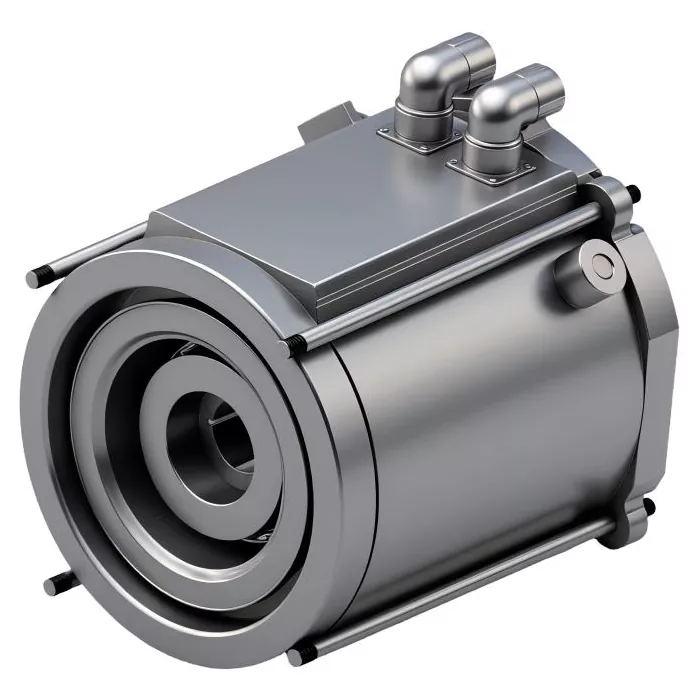
Oil Cooled Motor

Buyers sometimes assume that once they choose an Oil Cooled Motor concept, the hard part is over. In reality, the supplier selection phase is just as important as the technology choice itself.

Industrial motors are not purely off-the-shelf decisions when applications become demanding. Manufacturing consistency, thermal design understanding, testing capability, sealing reliability, customization responsiveness, and post-sales communication all influence whether the project goes smoothly.

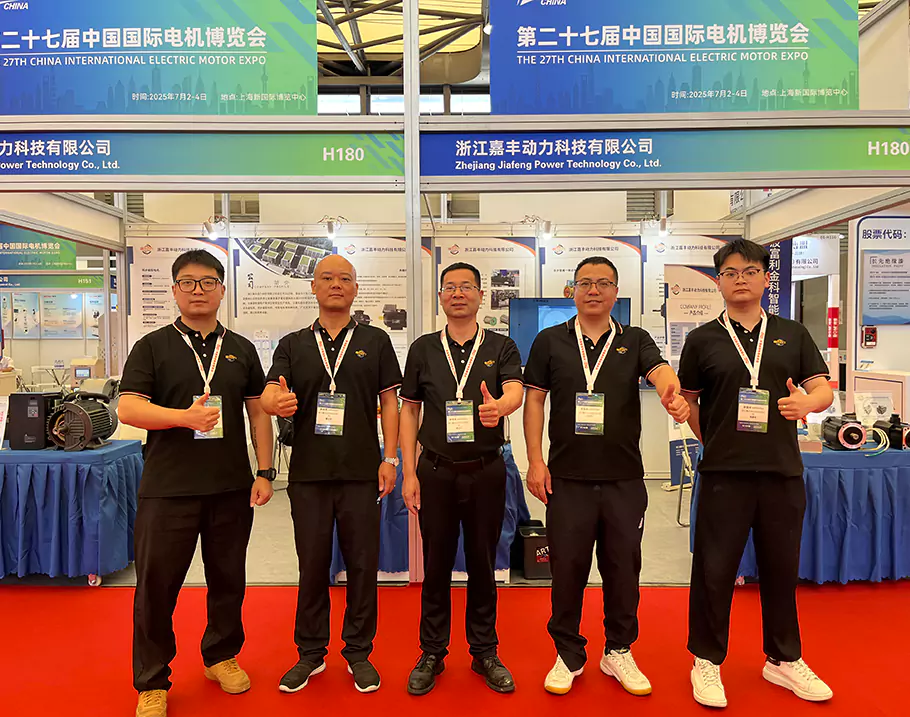
This is where an established manufacturer can add real value. Public information on Zhejiang Jiafeng Power Technology Co.,Ltd. shows that the company positions its oil cooled motor offerings for continuous-duty and high-load industrial use, while also supporting customized requirements across different applications. That matters because serious buyers usually need more than generic product language; they need a supplier that can translate application conditions into a workable motor solution. :contentReference[oaicite:1]{index=1}

I would pay attention to whether the supplier can discuss not only motor specifications, but also operating scenarios. When a manufacturer understands duty cycle, heat management, sealing concerns, and equipment integration, the conversation becomes far more useful.

  • Can the supplier explain where oil cooling creates value and where it may be unnecessary?
  • Can they support customization for voltage, speed, structure, and mounting?
  • Can they communicate clearly about testing, quality control, and delivery expectations?
  • Can they work with OEM buyers, machine builders, and export projects without slowing the process down?

If the answer to those questions is yes, you are no longer just sourcing a motor. You are building a more stable project path.

Which questions come up most often?

Is an Oil Cooled Motor always better than an air cooled motor?

No. It is better only when the operating conditions justify it. If your application runs under modest load, has good airflow, and does not face major thermal stress, a simpler solution may be enough. But once heat becomes the limiting factor, an Oil Cooled Motor becomes much more compelling.

Does oil cooling mean the motor is harder to maintain?

Not necessarily. The more useful question is whether the overall system becomes easier to live with over time. In demanding applications, better heat control can reduce the maintenance burden caused by overheating, instability, or repeated stoppages.

Can I request a customized Oil Cooled Motor for my equipment?

Yes, and many industrial buyers should. Customization may involve voltage, power, rotational speed, mounting style, shaft dimensions, protection requirements, or application-specific structural adjustments.

What kind of buyer benefits most from this motor type?

OEMs, machinery manufacturers, retrofit project teams, and industrial users with heavy-duty or continuous-operation requirements usually gain the most value from it.

What should I send to a supplier before asking for a quotation?

At minimum, prepare your duty cycle details, required power and speed, voltage, installation constraints, ambient working conditions, and any dimensional or mounting drawings you already have.

Why is lifecycle value more important than initial price?

Because downtime, unstable production, early replacement, and ongoing maintenance can easily cost more than the upfront price difference between two motor options.

How should you take the next step?

If your current motor solution is running too hot, wearing too fast, or forcing compromises in equipment design, it may be time to stop treating cooling as a secondary issue. In many demanding applications, the decision to use an Oil Cooled Motor is less about chasing a new technology trend and more about eliminating an old operational headache.

The smartest buying decisions usually come from matching the motor to real working conditions, not from selecting the most familiar label on a quotation sheet. That is why it helps to work with a manufacturer that understands both thermal performance and application-specific customization.

Contact Us

If you are evaluating motor options for high-load, continuous-duty, or space-constrained equipment, now is the right time to discuss your project with a specialist. Zhejiang Jiafeng Power Technology Co.,Ltd. can help you review your operating conditions, clarify technical requirements, and explore a more suitable Oil Cooled Motor solution for your application. Contact us today to request product details, customization support, or a tailored quotation for your next project.

Related News
Leave me a message
X
We use cookies to offer you a better browsing experience, analyze site traffic and personalize content. By using this site, you agree to our use of cookies. Privacy Policy
Reject Accept